
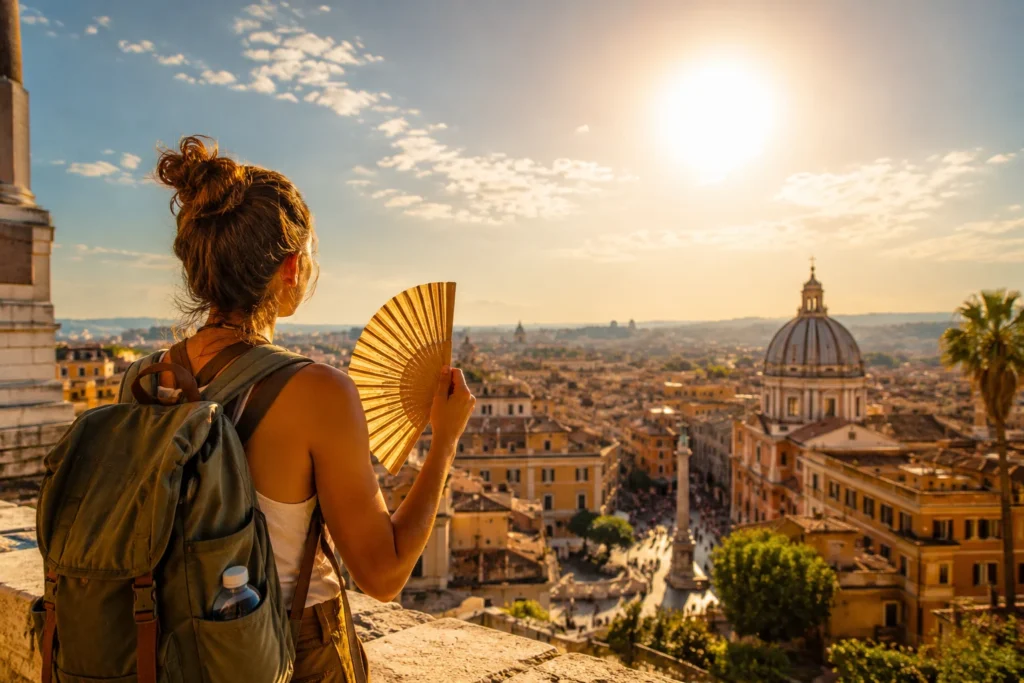
Backpacking across Europe used to feel like the easiest travel dream to romanticize: a cheap dorm bed, a rail pass, a half-zipped backpack, and a city map folded badly in your pocket. But the new reality is hotter, messier, and way less forgiving, which is why Europe heatwave backpacking now needs strategy instead of pure spontaneity. This summer has pushed the conversation beyond “pack light” and “book early” into something more practical: how do you move, sleep, eat, explore, and stay healthy when the continent feels like it is running on oven mode? For budget travelers, the heat is not just uncomfortable; it changes costs, routes, hostel demand, attraction timing, and even the emotional pace of a trip. The backpacker who wins this season is not the one who sees the most cities, but the one who knows when to slow down, reroute, hydrate, and protect the trip from becoming a sweaty survival story.
Why Europe Heatwave Backpacking Feels Different Now
Europe’s summer travel scene has always been intense, but the latest heatwaves have turned that intensity into something more complicated for anyone moving on a backpacker budget. Western Europe recently faced record-breaking June heat, and the ripple effect has continued into July with hot days, sudden storms, wildfire warnings, and travel disruptions across several popular routes. That means a backpacker can wake up in a sunny hostel courtyard, walk into a city that feels too hot by noon, then end the day watching train boards flash delays because tracks, signals, or regional services are struggling under extreme conditions. This is not the same as planning around a normal warm day in Rome, Paris, Barcelona, or Athens. Heat now behaves like a travel variable, almost like weather, price, and accommodation availability rolled into one unpredictable force.
The biggest shift is that summer itineraries can no longer be built around maximum movement. In the old backpacking playbook, saving money often meant taking the earliest bus, walking all day, eating outside, and staying in the cheapest dorm available. During a major European heatwave, those habits can backfire fast because long walks become draining, outdoor meals become uncomfortable, and non-air-conditioned rooms can destroy sleep quality. Even “free” activities, like wandering old towns or hiking between viewpoints, suddenly come with a hidden cost if they leave travelers dehydrated, overheated, or too exhausted to enjoy the next destination. This is why heatwave travel tips are no longer extra advice; they are now part of the core backpacking toolkit.
The Budget Trap: Heat Makes Cheap Travel Harder
Budget travel usually depends on flexibility, but heatwaves can make flexibility more expensive in ways that sneak up on travelers. A cheap dorm without cooling might look like a smart booking at midnight, but it can become a nightmare when the room traps warm air and nobody sleeps properly. A budget airline ticket can seem perfect until a heat-related delay pushes arrival time past the last affordable public transport connection. A free walking tour may sound like the ideal low-cost city intro, but if it runs during peak afternoon heat, it can leave travelers paying for extra drinks, taxis, or a last-minute indoor escape. In other words, the cheapest choice on paper is not always the cheapest choice once extreme heat enters the story.
This is where backpackers need to think like editors, not collectors. Instead of collecting as many destinations as possible, they need to edit the trip for comfort, timing, and recovery. Spending a little more for a hostel with reliable cooling, curtains, lockers, and a usable common area can save money later because it reduces the need for emergency café breaks or extra transport. Choosing a slower route can also protect the budget because fewer transfers mean fewer chances for disruption, missed connections, and last-minute rebooking. For readers looking for smarter planning frameworks, a practical budget travel strategy matters more than chasing the absolute lowest price on every single decision.
Hostels Are Becoming Heatwave Basecamps
The best hostel during a European heatwave is not just the one with the coolest mural, cheapest happy hour, or most social rooftop. It is the one that works as a proper basecamp when the city becomes difficult between late morning and late afternoon. A strong heatwave hostel has shaded common spaces, water refill access, flexible check-in support, laundry options, decent airflow, and staff who can explain which neighborhoods are manageable at different times of day. Air conditioning is a big win, but it is not the only detail that matters because a crowded dorm with weak cooling can still feel rough. What matters most is whether the hostel helps travelers pause, reset, and plan around conditions instead of pretending summer is business as usual.
Backpackers should also look more carefully at hostel reviews during hot periods because older feedback may not tell the whole story. A property that feels charming in April can feel completely different in July if it has small windows, poor ventilation, or a long uphill walk from the station. Reviews mentioning “hot room,” “no fan,” “weak AC,” or “hard to sleep” should be taken seriously, especially in cities where nighttime temperatures stay high. At the same time, reviews praising helpful staff, clean bathrooms, water access, and easy public transport can be more valuable than aesthetic photos. Heat changes what “good value” means, and smart backpackers adjust their filters before they book.
Dorm Choice Matters More Than Usual
In cooler months, many backpackers can tolerate almost any dorm setup if the location is strong and the price is right. During a heatwave, dorm details can define the entire trip because bad sleep affects everything that follows. A top bunk in a crowded room can feel hotter than the rest of the space, especially if airflow is limited or the window barely opens. A room facing a busy street might force travelers to choose between noise and ventilation, which is not ideal when the body already needs recovery. When possible, choosing smaller dorms, lower bunks, rooms with fans, or properties with verified cooling is worth treating as a health and budget decision, not a luxury upgrade.
Timing Is the New Superpower for Backpackers
The smartest Europe summer backpacking itineraries now treat time of day like a travel asset. Early mornings are becoming prime exploration hours because streets are calmer, temperatures are lower, and major sights feel less punishing before the crowds peak. Midday is better reserved for museums, shaded cafés, laundry, grocery runs, train transfers, naps, or planning sessions inside cooled spaces. Evenings can become the second travel window, especially in cities where locals naturally return outdoors after the worst heat fades. This rhythm may sound slower, but it often produces a better trip because the traveler experiences the city instead of battling it.
This timing shift also helps with money because it reduces impulse spending. When backpackers overheat, they often make rushed choices, such as buying overpriced bottled drinks near attractions, taking taxis they did not budget for, or paying entry fees just to escape into air conditioning. Planning the day around cooler hours lowers those pressure moments and keeps spending more intentional. It also makes free or low-cost activities safer and more enjoyable, from sunrise walks to evening markets and riverside neighborhoods. The goal is not to hide indoors all day, but to stop treating the hottest hours like normal sightseeing time.
Rethinking Routes During Europe’s Heatwave Season
Classic backpacking routes often move through big-name capitals and Mediterranean hotspots, but heatwaves make alternative routing more attractive. Instead of forcing a straight line through the hottest cities, travelers can build routes with cooler coastal stops, mountain towns, northern regions, lake areas, or destinations with stronger public transport and indoor cultural options. This does not mean abandoning iconic places completely, but it does mean giving each stop enough breathing room. A city like Madrid, Rome, or Athens can still be incredible in summer, but it may need a different rhythm than Amsterdam, Ljubljana, Edinburgh, or coastal Portugal. Heat-aware routing is about matching energy to environment, not letting an old itinerary template control the trip.
Backpackers should also plan backup routes before they need them. If storms hit after a heatwave, regional transport can become chaotic, and sudden flooding or power issues can affect city mobility. If wildfire warnings rise in a specific region, hiking plans, rural stays, or bus routes may need to change quickly. Having two or three flexible alternatives can turn a stressful disruption into a manageable pivot. For budget travelers, that might mean knowing which nearby city has affordable hostels, which train routes avoid problem areas, and which destinations are still worth visiting if outdoor plans get paused.
Packing for Heat Is About Systems, Not Stuff
Heatwave packing is not about stuffing the bag with every possible gadget. It is about building a small system that keeps the body cooler, cleaner, and less stressed across multiple travel days. Lightweight breathable clothing, a refillable bottle, electrolyte packets, a hat, sunglasses, sunscreen, quick-dry towel, and a small laundry routine can do more than an overpacked backpack full of “just in case” items. The less weight a traveler carries, the easier it becomes to handle station stairs, long platforms, hostel walks, and crowded buses. In extreme heat, every unnecessary kilogram feels louder, heavier, and more annoying than it would in spring or autumn.
The clothing strategy also matters because backpackers often underestimate how much sweat changes the day. Cotton may feel comfortable at first, but it can stay damp and heavy after long walks. Quick-dry shirts, loose layers, and breathable fabrics help travelers wash items at night and reuse them sooner, which keeps the packing list smaller. A light overshirt or scarf can also help with sun exposure without adding much weight. The real backpacking win is not looking perfectly styled in every city, but staying comfortable enough to enjoy the journey without constantly searching for shade, laundry, or replacement clothes.
Hydration Needs a Real Plan
Hydration sounds obvious until a traveler gets distracted by a train connection, a hostel check-in, or a long queue outside an attraction. During a European heatwave, drinking water only when thirsty is not always enough because the body may already be behind by the time thirst becomes noticeable. Backpackers should map refill points, carry a bottle they actually like using, and keep electrolytes available for days with heavy sweating. Alcohol-heavy hostel nights also need more caution because dehydration can hit harder when sleep is poor and the next day starts early. A smart hydration routine is one of the simplest ways to protect the trip from preventable fatigue.
Attractions, Queues, and the Heatwave Crowd Shift
Heatwaves change crowd behavior, which means they also change how backpackers should approach attractions. When outdoor sightseeing becomes uncomfortable at midday, more travelers move into museums, galleries, malls, churches, indoor food halls, and shaded historic interiors. That can create unexpected queues for places that normally feel like easy backup options. At the same time, outdoor attractions may reduce hours, pause access during dangerous conditions, or feel empty at noon but packed in the early morning and evening. Backpackers who assume they can “just show up” may lose time, energy, and money when everyone else has the same escape plan.
The better approach is to build each day around one anchor activity and a flexible second layer. The anchor might be a museum ticket, a morning viewpoint, a train to the next city, or a shaded neighborhood walk. The flexible layer might include a public library, an affordable lunch spot, a supermarket picnic, a hostel rest period, or an evening market. This keeps the day from collapsing if the heat becomes stronger than expected or if a planned attraction becomes too crowded. It also helps preserve the sense of freedom that makes backpacking fun, while still respecting the reality of the weather.
Food Choices Can Make or Break Hot Travel Days
Food is one of the easiest places to save money while backpacking, but heatwaves require a little more thought than the classic bread-cheese-fruit routine. Groceries are still useful, but travelers need to be careful with foods that spoil quickly in a warm backpack or hostel room. Heavy lunches can also make afternoon heat feel worse, especially before long walks or train transfers. Lighter meals, salty snacks, fresh fruit, yogurt from a supermarket, chilled soups, simple sandwiches, and local market options can keep the body fueled without dragging energy down. The point is not to diet through Europe, but to eat in a way that supports movement and recovery.
Backpackers should also pay attention to where they eat, not just what they eat. Sitting under direct sun because a terrace looks cute can turn a cheap meal into an uncomfortable break that does not actually restore energy. A shaded park, a cooled food court, a hostel kitchen, or a quiet indoor café can be more valuable than a scenic but overheated table. In expensive cities, supermarkets become even more important because they offer cold drinks, affordable meals, and a quick temperature reset. Food planning is not glamorous, but in heatwave travel it becomes one of the quiet habits that keeps the whole trip moving.
Solo Backpackers Need Extra Heat Awareness
Solo travel can feel freeing in Europe because transport is strong, hostels are social, and city-hopping is relatively easy. During a heatwave, solo backpackers need a slightly stronger safety routine because there is no travel partner automatically noticing when something feels off. That routine can be simple: tell someone your rough route, avoid long exposed walks during peak heat, keep your phone charged, and do not push through dizziness, nausea, headache, or unusual fatigue. Hostel staff can also be useful allies because they usually know which streets, parks, beaches, or day trips are safer during extreme weather. Independence still matters, but smart solo travel means knowing when to ask for local input.
The social side of hostels can also help if handled wisely. Group plans are great for evening walks, shared meals, or cooler morning outings, but not every group activity is worth joining in extreme heat. If a group wants to hike at noon, walk across a city with no shade, or drink heavily before an early travel day, it is okay to opt out. Backpacking culture sometimes celebrates pushing limits, but heat does not care about vibes, bravado, or fear of missing out. The most experienced traveler in the room is often the one who says, “I’ll go later,” and actually enjoys the destination more.
When Trains, Buses, and Flights Get Complicated
Transport is where heatwaves can hit backpackers hardest because budget travel often depends on tight connections and cheap nonrefundable tickets. High temperatures can affect rail networks, road conditions, airport operations, and city transport reliability, especially when sudden storms follow periods of extreme heat. Even when services keep running, delays can push arrivals into hotter parts of the day or late-night windows when local transit is reduced. This is why travel days need more buffer than usual during the European summer. A schedule that looks efficient on an app can feel brutal in real life if it leaves no room for heat, queues, platform changes, or missed local buses.
Backpackers should avoid stacking too many critical moves into one day. For example, combining a long hostel walk, a cross-border train, a tight bus transfer, and a late check-in can become stressful if one part slips. It is better to make travel days lighter, arrive earlier, and choose accommodation near reliable transport when possible. Downloaded tickets, offline maps, portable chargers, and screenshots of hostel directions become more important when heat drains both people and phone batteries. The most underrated heatwave travel skill is leaving margin, because margin is what keeps inconvenience from turning into a full travel meltdown.
The New Backpacker Mindset: Slow Is Strategic
For years, backpacking in Europe has been sold as a race through passport stamps, train windows, and iconic skylines. The heatwave era challenges that mindset because rushing through hot cities can make destinations blur together in a haze of sweat and exhaustion. Slow travel is not just an aesthetic choice anymore; it is a practical response to a climate that demands pacing. Spending four nights in one city instead of two can reduce transport stress, improve sleep, lower daily costs, and create space for cooler exploration windows. It can also make the trip feel more meaningful because travelers stop treating Europe like a checklist and start reading the rhythm of each place.
This does not mean backpackers need to abandon adventure. It means adventure has to become smarter, more adaptive, and more honest about the body’s limits. A slower trip can still include overnight trains, hostel friendships, street food, beaches, hikes, museums, and last-minute plans. The difference is that the itinerary has enough flexibility to absorb weather shocks without destroying the budget or mood. In a summer shaped by extreme heat, the most confident backpacker is not the one who refuses to change plans, but the one who can pivot without feeling like the trip has failed.
How Europe Heatwave Backpacking Changes Travel Culture
Europe heatwave backpacking is also changing the culture of youth travel because the old fantasy of effortless summer movement is becoming less realistic. Travelers are talking more about cooling, shade, insurance, wildfire risk, storm alerts, and whether a hostel room is actually sleepable. These conversations might sound less romantic than spontaneous station-hopping, but they make travel more sustainable in a very practical sense. They encourage people to respect local conditions, avoid risky behavior, and spend money in ways that support a better experience rather than just a cheaper screenshot. The backpacking community is not losing its freedom; it is updating the rules for a hotter continent.
There is also a deeper trend underneath the travel tips. Extreme heat exposes the difference between travelers who consume places and travelers who pay attention to them. When visitors understand why locals avoid certain hours, why outdoor workers struggle, why water access matters, and why cities need shaded public spaces, travel becomes more connected to real life. Backpackers can still have fun, meet people, and chase unforgettable nights, but they can also move with more awareness. That awareness is becoming part of modern travel literacy, especially for younger travelers who will likely face hotter summers more often in the years ahead.
Conclusion: The Best Trip Is the One You Can Enjoy
The European backpacking dream is not dead, but it is definitely getting a reality check. Heatwaves do not mean travelers should cancel every plan, avoid every city, or stop exploring the continent on a budget. They mean the smartest trips now include better timing, cooler hostel choices, realistic transport buffers, flexible routes, and a willingness to rest before the body forces the issue. Europe heatwave backpacking rewards travelers who prepare without becoming paranoid and adapt without losing the joy of discovery. In the end, the best backpacking story is not the one where every plan went perfectly; it is the one where the traveler stayed sharp, stayed safe, and still found magic in the heat.