
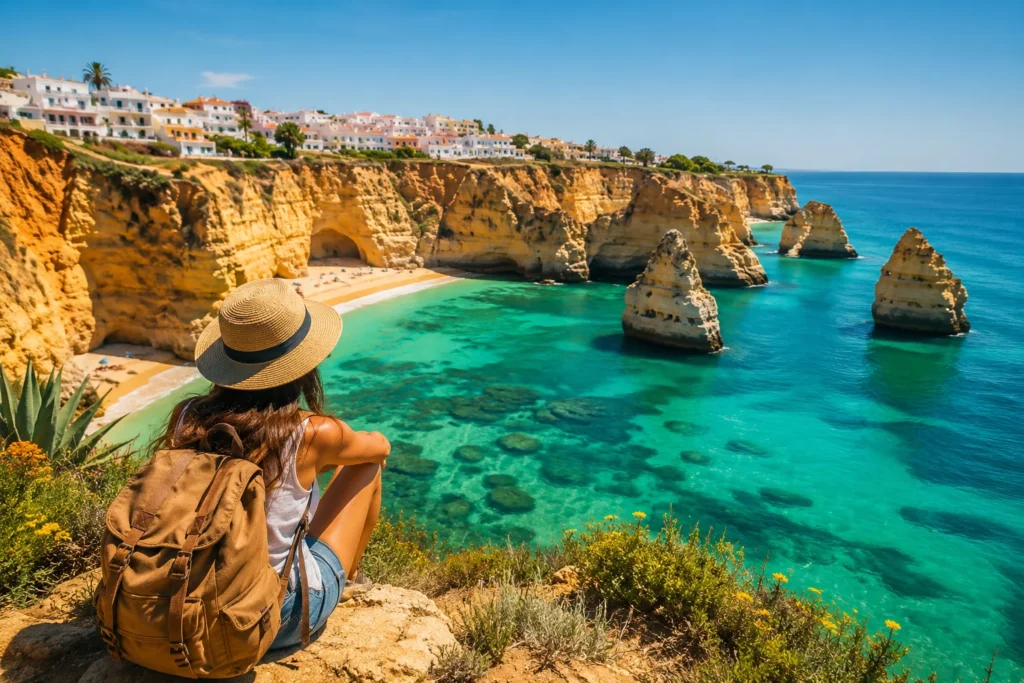
Some summer destinations feel like they were designed to drain your wallet before you even unpack, but Portugal’s southern coast is having a different kind of moment. The Algarve budget travel story is suddenly everywhere because travelers are hunting for sun, beaches, food, and social stays without getting trapped in the chaos of overpriced Euro summer plans. What makes the Algarve stand out is not just that it can be cheaper than many classic beach escapes, but that it still feels cinematic, warm, flexible, and easy to navigate for backpackers. It has golden cliffs, walkable old towns, Atlantic beaches, hostel kitchens, cheap local bites, and buses that can turn a loose route into a real itinerary. For travelers who want a summer escape that feels big without spending like a luxury holiday, the Algarve is stepping into the spotlight at exactly the right time.
Why the Algarve Became Europe’s Cheapest Summer Escape
The Algarve did not become a budget travel favorite by accident, and that is what makes the trend interesting. While many European summer destinations have been dealing with rising hotel prices, crowded airports, restaurant markups, and transport stress, southern Portugal still gives travelers multiple ways to control their spending. A backpacker can choose a dorm bed in Lagos, a simple guesthouse in Faro, a shared apartment in Portimão, or a low-key surf hostel near Sagres depending on the vibe and budget. Even better, the region is spread out enough that travelers are not forced into one expensive hotspot for the whole trip. That flexibility is one of the biggest reasons the Algarve feels more realistic for students, solo travelers, remote workers, and budget-conscious couples in 2026.
Another reason the region works so well is that the Algarve has a rare mix of beach holiday energy and backpacker practicality. It has the postcard side, with places like Praia da Marinha, Benagil, Ponta da Piedade, and long stretches of sand that look unreal in golden-hour light. But it also has the everyday travel side, where supermarkets, buses, hostels, bakeries, and simple seafood spots make it possible to stretch a budget without feeling like you are missing out. That balance matters because cheap destinations can sometimes become inconvenient once you actually arrive. In the Algarve, the basics are close enough, familiar enough, and traveler-friendly enough to make a low-cost trip feel smooth instead of stressful.
The bigger travel mood also helps explain why the Algarve is trending right now. Travelers are more cautious about value, but they are not giving up on summer altogether. Instead of chasing the most famous coastline on Instagram, they are asking smarter questions about daily costs, transport time, hostel quality, and whether a place still feels enjoyable during peak season. That shift benefits destinations that can offer strong experiences without forcing visitors into premium spending all day. The Algarve fits that mood because it gives people the beach fantasy while still leaving room for a grocery-store lunch, a shared dorm, a free cliff walk, and a sunset that costs nothing.
The Real Appeal of Algarve Budget Travel
The main keyword here is not just a phrase for search engines, because Algarve budget travel actually describes how people are using the region. They are not only booking a cheap flight and hoping for the best. They are building smarter trips around affordable towns, public transport, hostel kitchens, off-peak beach hours, and activities that do not depend on expensive tours. This is why the Algarve works for the modern backpacker: it allows you to decide when to spend and when to save. You can pay for a boat trip one day, then spend the next day walking cliffs, swimming at a public beach, and making dinner with people you met at the hostel.
Lagos is usually the loudest name in the Algarve backpacker conversation, and for good reason. It has beaches, nightlife, boat tours, surf trips, hostels, and enough traveler traffic to make solo travel feel easy. However, it can also become more expensive during peak summer, especially if you book late or stay close to the most popular streets. That is where flexible planning becomes important, because nearby towns can offer better prices while still keeping you connected to the coast. A smart traveler treats Lagos as a social hub, not necessarily as the only place worth sleeping every night.
Faro, on the other hand, is often underrated by people who rush straight from the airport to the beaches further west. That is a mistake, especially for budget travelers who want an easier first night, cheaper food options, and access to the Ria Formosa lagoon. Faro has a slower rhythm than Lagos, but that can be a strength when prices climb in more famous towns. It is also practical for travelers arriving late, leaving early, or planning a route across the region by bus or train. For anyone building a budget itinerary, Faro can be more than a transit stop; it can be the calm, affordable base that makes the rest of the trip easier.
Why Hostels Still Matter in the Algarve
Hostels are a huge part of the Algarve’s budget appeal, but they are no longer just about the cheapest bed in the room. The best hostel experiences now combine affordability with clean spaces, social events, shared kitchens, lockers, coworking corners, and staff who actually know how to help travelers plan their day. That matters because backpackers are no longer all traveling the same way. Some want nightlife, some want surf mornings, some need reliable Wi-Fi, and some simply want a safe place to sleep after hiking along the coast. A good hostel guide can help travelers choose the right base before prices and availability become a problem.
The Algarve hostel scene also benefits from the way the region naturally encourages social travel. Many visitors are doing similar routes, which makes it easy to share rides, split food, join beach walks, or gather a group for a day trip. A solo traveler who arrives without a plan can often find one by breakfast, especially in towns with active hostel common areas. That social layer adds value because it reduces the pressure to pay for every experience alone. When a destination makes it easy to meet people and share costs, it becomes cheaper in ways that do not show up on a booking page.
How to Build a Cheap Algarve Itinerary
A strong Algarve itinerary starts with the idea that you do not need to see every beach to have a great trip. The region is beautiful, but trying to chase every famous viewpoint can turn a budget escape into an expensive transport puzzle. Instead, pick two or three bases and let each one do a specific job. Faro can handle arrival, local food, and lagoon access; Lagos can handle social energy, dramatic cliffs, and day trips; Sagres can handle surf, sunsets, and a wilder edge. This approach keeps travel days manageable and gives you enough variety without constantly paying to move around.
For a five-day trip, a simple route could start in Faro, move west to Lagos, and end with a night or day trip toward Sagres. That gives you a soft landing, a classic backpacker center, and a more rugged coastal finish. For a seven-day trip, you can slow everything down and add Tavira or Portimão depending on whether you prefer quiet charm or practical access. The key is not to overload the schedule, because the Algarve rewards unplanned time. A free afternoon can become a cliff walk, a beach nap, a hostel dinner, or a sunset hangout that ends up being better than the paid activity you almost booked.
Transport is one of the biggest details that separates a cheap Algarve trip from an expensive one. Renting a car can unlock remote beaches, but it also adds fuel, parking, insurance, and stress, especially in peak season. Buses and trains are not perfect, yet they can cover many useful routes if you plan with patience and avoid packing your days too tightly. When public transport does not reach a specific beach, travelers can still choose one or two paid transfers instead of making the whole trip car-dependent. That mixed approach often keeps the budget healthier while still allowing a few special locations.
Where Backpackers Can Save Without Killing the Fun
Food is one of the easiest places to save money in the Algarve without making the trip feel boring. A hostel breakfast, supermarket snacks, bakery lunches, and shared dinners can reduce daily spending fast. Then, instead of eating out three times a day, travelers can choose one meal that actually feels worth it, whether that means grilled fish, piri-piri chicken, a local pastry run, or a relaxed dinner in an old-town square. This strategy works because the Algarve has enough casual food culture to keep simple meals enjoyable. Saving money does not have to mean eating badly; it just means avoiding the tourist-trap rhythm of paying premium prices every time you are hungry.
Activities are another place where smart choices matter. The Algarve has paid experiences that can be worth it, including boat tours, surf lessons, kayak trips, and cave visits. Still, the region’s best low-cost moments often come from walking, swimming, and watching the coastline change with the light. Trails around cliffs, town-to-beach walks, public viewpoints, and sunset spots give travelers a strong experience without requiring a ticket. When you build a trip around free beauty first, paid activities become highlights instead of budget emergencies.
Accommodation timing can also make or break the trip. Booking early matters in summer because the cheapest dorms disappear first, and last-minute travelers often get stuck with awkward locations or inflated prices. If you need flexibility, try locking in the most expensive nights first, especially weekends in popular towns. Then leave one or two nights open only if you are comfortable paying more or switching towns. This is not the most spontaneous advice, but it is realistic for budget travel guides in a summer market where demand can move faster than your group chat.
Why the Algarve Beats Flashier Beach Trips
The Algarve is not the only sunny place in Europe, and it is not always the absolute cheapest option for every traveler from every airport. However, it often wins because it combines price, beauty, safety, infrastructure, and variety better than many alternatives. Some destinations are cheaper once you arrive but harder to reach, while others have cheap flights but expensive daily costs. The Algarve sits in a useful middle zone where the trip can be planned without too many hidden complications. For backpackers, that matters because the cheapest destination on paper is not always the cheapest destination in real life.
Compared with some Mediterranean hotspots, the Algarve can also feel less locked into luxury tourism. You can still find resort zones, polished restaurants, and high-end beach clubs, but they do not define the entire region. Backpackers can step around them by choosing hostels, local markets, less obvious beaches, and towns that still have everyday life beyond the visitor economy. This gives the region a more flexible personality. You can have one day that feels like a classic beach holiday and another that feels like slow travel through a lived-in Portuguese town.
The region also benefits from its Atlantic character, which makes it feel different from the warmer, softer image of the Mediterranean. The cliffs are sharper, the water can be cooler, the sunsets feel dramatic, and the surf culture gives the coast a more active rhythm. That energy is perfect for backpackers who do not want to spend the entire trip lying still on a rented lounger. You can swim, hike, surf, photograph, picnic, and wander without needing a packed attraction list. In that sense, the Algarve is not just cheap; it is naturally built for low-cost movement.
The Backpacker Trend Behind the Algarve Boom
The rise of the Algarve reflects a bigger shift in how young travelers think about summer. The old dream was often about checking off the most famous city or beach, even if the trip became financially painful. Now the smarter flex is finding a place that delivers the feeling without wrecking the next three months of your bank account. Travelers are comparing destinations more carefully, reading hostel reviews more closely, checking supermarket access, and asking whether a place is actually fun without premium spending. The Algarve benefits from that new mindset because it looks good online, but it also works on the ground.
There is also a social reason why the region is rising. Backpackers want places where they can meet people without being forced into expensive party packages or closed-off resort bubbles. The Algarve offers that social layer through hostels, beach routes, surf schools, walking tours, and small towns where travelers naturally cross paths. That is especially important for solo travelers, who often value a destination based on how easy it feels to connect. When a place is affordable and social at the same time, it becomes more than a destination; it becomes a temporary community.
Remote work and longer trips are also changing the Algarve’s role. Some travelers are no longer squeezing everything into a four-day sprint, because they can work a few mornings and explore in the afternoon. That makes affordable accommodation, Wi-Fi, calm cafés, and flexible transport more important than one perfect luxury view. The Algarve has enough infrastructure to support that style, especially outside the most chaotic peak-season pockets. For digital nomads and slow backpackers, the region can become a base rather than just a quick beach stop.
Algarve Budget Travel Tips for Summer 2026
If you want the Algarve to stay cheap, the biggest rule is to plan around timing. July and August bring the strongest demand, so prices move quickly and popular towns fill fast. Traveling in late June, early July, September, or even early October can unlock a better balance of weather, atmosphere, and price. If peak summer is your only option, then book beds earlier, avoid overcomplicated routes, and keep your itinerary realistic. The Algarve can still be a budget win in high season, but only if you do not treat it like an unlimited-spending resort trip.
The second rule is to choose your base based on your actual travel style, not just the destination everyone keeps mentioning. If you want nightlife and easy social energy, Lagos makes sense. If you want a calmer first stop and better arrival logistics, Faro can be a smarter choice. If you want surf and a wilder coastal mood, Sagres might be worth the extra effort. If you want quieter charm, Tavira can feel more relaxed than the big backpacker hubs, especially for travelers who like slower days and less pressure to party.
The third rule is to budget by day, not just by trip. A cheap flight can trick travelers into ignoring the cost of every meal, transfer, activity, and late-night decision. Before you go, decide what your comfortable daily spend looks like and build your choices around it. That does not mean killing spontaneity, but it does mean knowing when a day is becoming too expensive before it gets out of hand. Budget travel feels better when it gives you freedom, not when it turns every purchase into a small panic.
- Book hostel beds early if you are traveling on weekends or during peak summer.
- Use supermarkets, bakeries, and hostel kitchens to control food costs.
- Pick two or three bases instead of trying to visit every famous beach.
- Save paid activities for experiences that genuinely improve the trip.
- Leave room for free cliff walks, public beaches, sunsets, and slow mornings.
The Hidden Costs Travelers Should Watch
Even a cheap destination has traps, and the Algarve is no exception. The most obvious one is last-minute accommodation, especially in beach towns with limited budget rooms. A dorm bed that feels affordable months ahead can become painful when demand spikes, and private rooms can disappear even faster. Another hidden cost is transport to beaches that look close on a map but are awkward without a car. Before booking a hostel, check how you will actually move around, because a cheap bed in the wrong location can become expensive once taxis enter the story.
Tour pricing is another detail worth watching. Some boat and cave trips are memorable, but not every paid activity is necessary, especially if the coastline can be explored on foot or from public viewpoints. Travelers should compare operators, read recent reviews, and avoid booking out of pressure when someone at a desk says the last spots are almost gone. The same goes for beach clubs, tourist restaurants, and nightlife packages that can quickly turn a low-cost trip into a premium one. The Algarve gives you many ways to spend money, but it also gives you enough free beauty to say no without regret.
Weather and heat can also create indirect costs. If a day is extremely hot, you may end up paying for extra drinks, taxis, shaded restaurants, or indoor breaks simply because walking around becomes exhausting. That is why early starts and slower afternoons are not just comfort tips; they are budget strategies. Plan beach walks in the morning, rest during the strongest heat, and return outside when the light gets softer. A good rhythm keeps the trip cheaper, safer, and more enjoyable.
Who Should Choose the Algarve This Summer?
The Algarve is a strong choice for first-time backpackers because it feels approachable without being boring. English is widely understood in tourist areas, transport is manageable, hostels are easy to find, and the region has enough traveler infrastructure to reduce anxiety. At the same time, it still offers enough variety to feel adventurous if you leave the most obvious streets. You can start with easy beaches, then move into quieter towns, surf areas, or coastal trails as your confidence grows. That makes it a rare destination that works for both cautious planners and flexible wanderers.
It is also a strong choice for groups trying to manage different budgets. One friend may want a boat tour, another may want to cook dinner, and another may just want a beach day with no spending. The Algarve can handle those differences because many experiences are optional rather than mandatory. You do not need a fancy hotel to enjoy the coast, and you do not need a paid attraction every day to feel like the trip is complete. That makes group travel easier, especially when everyone is trying to protect their wallet without killing the mood.
However, the Algarve may not be perfect for travelers who want empty beaches in peak August or ultra-cheap prices without planning. It is popular, and popularity always changes the budget equation. The smartest move is to accept that the region is affordable by European summer standards, not magically immune to demand. If you plan with that mindset, the Algarve can still deliver excellent value. If you arrive with no bookings, no route, and a strict budget during the busiest weeks, the trip can become harder than the headlines suggest.
Why This Summer Escape Feels Built for the Moment
The Algarve’s rise as a cheaper summer escape says a lot about where travel is heading. People still want beauty, connection, warmth, and stories worth bringing home, but they are more aware of how quickly travel costs can spiral. They want destinations that give them room to make smart choices without feeling punished for not spending big. The Algarve meets that demand because its best experiences are not locked behind luxury gates. A cliff path, a shared dinner, a morning swim, and a sunset over the Atlantic can feel just as memorable as anything on a high-end itinerary.
For Adopt a Hostel readers, the Algarve is especially relevant because it sits at the intersection of backpacking culture and practical value. It is not only a beach destination; it is a route, a social scene, a slow travel base, and a budget experiment all in one. The region proves that a European summer does not have to be built around overspending or skipping meals to afford one famous view. With the right hostel, the right town, and the right pace, the Algarve can feel generous even when the budget is tight. That is exactly why the phrase Algarve budget travel deserves attention this season.
Conclusion: The Algarve Is Cheap, But Smart Planning Wins
The Algarve becoming Europe’s cheapest summer escape is not just good news for bargain hunters; it is a reminder that value is about more than low prices. A destination becomes truly budget-friendly when it gives travelers choices, and southern Portugal does that better than many of its flashier rivals. You can stay in hostels, cook when you need to, splurge when it matters, move slowly, and still experience beaches that look like they belong on a dream itinerary. The secret is to plan early, choose bases carefully, avoid unnecessary spending traps, and let the region’s free natural beauty do most of the work. For backpackers looking for sun without financial chaos, Algarve budget travel may be one of the smartest summer moves in Europe right now.