
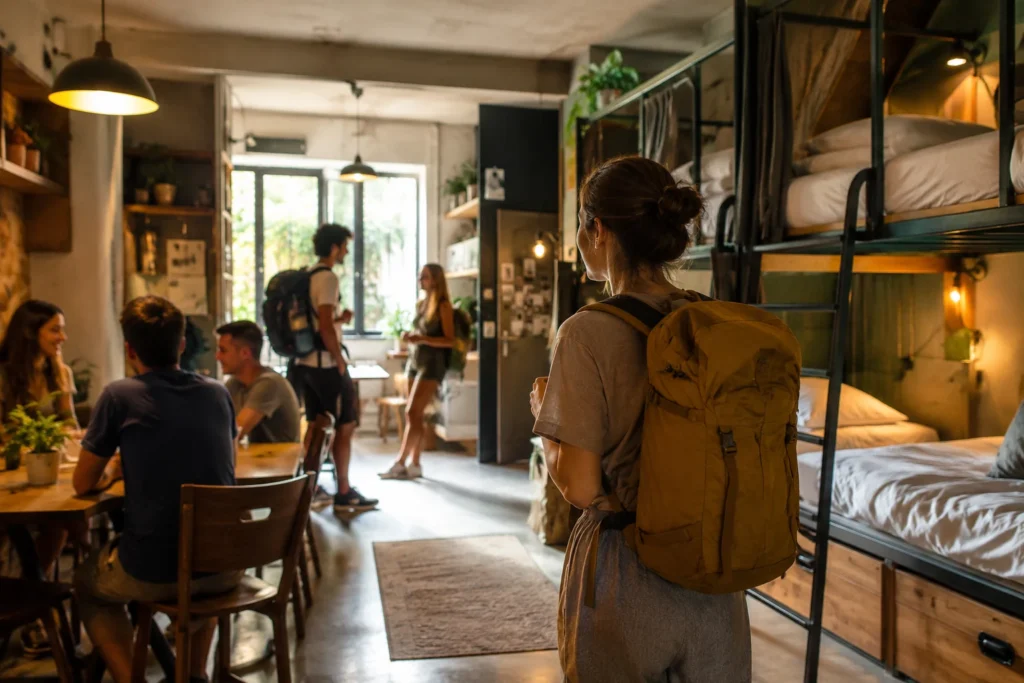
The new travel flex is not spending more; it is stretching every dollar until the trip actually feels possible. As flight prices, fuel costs, food bills, city fees, and daily expenses keep squeezing holiday plans, cheap hostels are moving from backup option to main character in the way young travelers plan their escapes. What used to be seen as a last-minute bed for broke backpackers is now becoming a smarter, more intentional choice for students, solo travelers, remote workers, couples, and even small friend groups who would rather spend money on experiences than on a room they barely use. The shift is not just about being frugal; it is about refusing to let rising travel costs kill the idea of adventure. In a travel market where everything feels more expensive, the humble hostel is suddenly looking like one of the most practical ways to keep moving.
Why Cheap Hostels Are Back in the Spotlight
For years, budget travel had a simple formula: book a low-cost flight, grab a basic hotel, eat where locals eat, and save the big spending for memorable activities. That formula still exists, but it has become harder to pull off because almost every part of the journey now asks for a bigger slice of the wallet. A weekend that once felt spontaneous can quickly turn into a spreadsheet of baggage fees, airport transfers, tourist taxes, inflated room rates, and restaurant bills that look suspiciously like rent money. This is exactly where cheap hostels are finding their moment, because they solve the biggest pain point first: accommodation. When travelers can cut the cost of sleeping somewhere safe and central, the rest of the trip becomes easier to justify.
The comeback of hostels is also connected to a wider attitude change among travelers. People are no longer as impressed by polished hotel lobbies if the room eats half the trip budget before the adventure even begins. A basic but clean dorm bed, a social kitchen, free walking-tour tips, luggage storage, and a common room full of other travelers can feel more useful than a hotel minibar and a silent hallway. This is especially true for backpackers who care more about route flexibility than luxury. In a time when travel has become more expensive, the value of a hostel is not only measured by the nightly rate, but by how many other costs it quietly helps reduce.
There is also a cultural reason behind the renewed interest. Gen Z and millennial travelers are comfortable with shared spaces, community-driven experiences, and digital-first planning, so the idea of sleeping in a dorm does not feel as unusual as it once did. Many already work from cafes, study in shared libraries, live with roommates, or join online communities before meeting people in real life. Hostels fit naturally into that lifestyle because they turn travel into something social and resourceful. Instead of paying extra to be isolated, travelers can pay less and gain instant access to people, advice, and local knowledge.
The Real Reason Budget Travel Feels Pricier
The rising cost of travel does not come from one single villain. It is more like a pile-up of small expenses that slowly changes the mood of a trip. Flights may look affordable at first glance, but seat selection, baggage, airport meals, ride-hailing, and peak-date pricing can turn a cheap ticket into a much bigger bill. Road trips can feel cheaper until fuel, parking, tolls, and roadside food get added to the equation. Even once travelers reach the destination, accommodation often becomes the biggest daily cost, which explains why affordable hostels are becoming a serious part of modern budget travel guides.
Accommodation prices are especially sensitive because they are tied to demand, seasonality, local events, tourism taxes, neighborhood popularity, and platform fees. A city can be cheap in theory but expensive on a specific weekend because of a festival, sports match, conference, or school holiday. Travelers who do not plan around these spikes can easily pay more for an average room than they expected. This is where hostel accommodation becomes useful because hostels usually offer more flexible price layers, from larger dorms to smaller dorms, private rooms, female-only rooms, and longer-stay rates. That range gives budget travelers more control when hotels and short-term rentals start climbing out of reach.
Another reason travel feels more expensive is that destinations themselves are trying to manage crowds and infrastructure pressure. Some cities are increasing local fees, tightening short-term rental rules, or encouraging travelers to spread beyond the busiest districts. While these policies may help residents and reduce overtourism, they can also make quick trips feel more complicated for visitors on a tight budget. Hostels respond to that reality by helping travelers stay central without paying hotel-level prices. A well-located hostel near public transport can save money every day because guests spend less on taxis, ride-hailing, and long transfers.
Cheap Hostels Offer More Than a Low Bed Price
The biggest misconception about cheap hostels is that they only matter because they are inexpensive. Price is obviously the hook, but the real value often comes from what happens around the bed. A good hostel can offer shared kitchens, free breakfast basics, water refill stations, laundry access, city maps, community events, and staff who know where to eat without destroying the budget. These small details matter because travelers are not only trying to reduce one cost; they are trying to survive the whole trip without constantly checking their banking app. When a hostel helps with food, transport tips, social connections, and local hacks, it becomes more than accommodation.
The shared kitchen may be the most underrated feature in budget travel. Eating out for every meal can turn even a cheap city into an expensive one, especially in tourist-heavy areas where convenience adds a markup. Hostel kitchens let travelers make breakfast, prep snacks, cook simple dinners, and store leftovers instead of buying every meal outside. This does not mean skipping local food completely, because food is part of the trip, but it does create balance. A traveler can cook pasta one night, join a street-food crawl the next, and still keep the budget alive for a museum ticket, day tour, or extra train ride.
Common areas also change the economics of travel in a quiet but powerful way. When solo travelers meet others heading in the same direction, they can split taxis, share tour costs, exchange SIM card tips, or combine groceries. A dorm conversation can save someone from paying for an overpriced transfer or booking a weak day trip with bad timing. This is one reason hostel culture has always been tied to backpacking: information moves quickly between people who are trying to travel smarter. In a hotel, guests may receive polished recommendations; in a hostel, they often receive the kind of messy, honest, useful advice that only comes from someone who tried it yesterday.
Private Rooms Are Changing the Hostel Image
Modern hostels are not limited to crowded dorms with squeaky bunks and mystery roommates. Many now offer private rooms, ensuite options, pod-style beds, coworking corners, digital check-in, stronger Wi-Fi, and design-forward lounges that feel closer to boutique hotels than old-school backpacker crash pads. This matters because the audience for hostels has expanded beyond the classic gap-year backpacker. Couples, older solo travelers, digital nomads, and friend groups may want the social energy of a hostel without giving up privacy completely. Private rooms in hostels often cost less than hotels while still giving guests access to kitchens, events, and local travel knowledge.
This hybrid model is one of the reasons hostels are gaining fresh attention during a period of higher travel costs. A traveler can choose a dorm for the cheapest nights, then upgrade to a private room when they need rest, work time, or a break from social energy. That flexibility is useful on longer trips, where comfort needs change from week to week. Backpacking is not always a nonstop party; sometimes it is laundry day, deadline day, or sleep-recovery day after a night bus. A hostel that offers both affordability and options can keep travelers on the road longer without forcing them into one style of stay.
How Backpackers Are Rethinking the Trip Budget
Backpackers have always been good at making travel work with limited money, but the current climate is pushing that skill into a new level of strategy. Instead of asking, “Where do I want to go?” many travelers now start with, “Where can I go without wrecking my finances?” That question changes everything, from destination choice to timing, transport, luggage, route design, and accommodation. Cheap hostels become a key part of the answer because they make expensive destinations more accessible and affordable destinations even easier to stretch. A traveler who saves money on accommodation can stay longer, move slower, and avoid the rushed feeling that makes trips more stressful.
Slow travel is becoming more attractive because moving constantly can be expensive. Every new city usually means another ticket, another transfer, another check-in, and another round of first-day mistakes. Staying longer in one hostel can unlock weekly rates, reduce transport costs, and give travelers enough time to find affordable local routines. This is where backpacking starts to feel less like collecting destinations and more like learning how to live temporarily in different places. The cheapest trip is not always the one with the lowest daily rate; sometimes it is the one with fewer rushed decisions and more room to adapt.
Travelers are also becoming more careful about location. A hostel that is slightly more expensive but close to public transport, supermarkets, attractions, and nightlife may be cheaper overall than a remote place with a lower bed price. This is the kind of calculation that experienced backpackers understand quickly, but newer travelers often learn the hard way. A cheap bed outside the center can become expensive if every day requires long rides, late-night taxis, or wasted time. The best budget hostel is not always the cheapest listing; it is the one that keeps the whole trip efficient.
The Social Side of Hostel Travel Still Matters
Money may be the reason many travelers first search for hostels, but community is often the reason they come back. Travel can be exciting, but it can also be lonely, especially for solo travelers arriving in a new city with no local contacts. Hostels solve that problem naturally by creating small moments where strangers can become dinner plans, walking-tour partners, or temporary travel crews. In a world where many people are tired of overly curated online experiences, the messy real-life energy of a hostel common room feels surprisingly refreshing. It is affordable, but it is also human.
This social value becomes even more important when travelers are trying to save money. Paid experiences can add up quickly, and not every memorable travel moment needs a ticket. Some of the best hostel memories happen during shared meals, sunset walks, card games, language exchanges, or spontaneous plans made by people who met two hours earlier. That kind of connection gives budget travel emotional depth. It reminds travelers that the point of a trip is not always to consume more, but to notice more.
Hostels also make destinations feel less intimidating. A new city can be confusing on arrival, especially when transport systems, neighborhoods, scams, or local customs are unfamiliar. Good hostel staff and fellow guests can help travelers understand what to avoid, where to exchange money, which buses to take, and which attractions are worth the hype. That guidance can prevent expensive mistakes. For backpackers with limited cash, avoiding one overpriced taxi or bad booking can make a real difference.
What Makes a Cheap Hostel Actually Worth Booking
Not every low-priced hostel is a good deal, and travelers should know the difference before booking. A very cheap rate can hide weak security, poor cleanliness, bad location, noisy surroundings, or extra fees that make the final cost less attractive. Smart budget travelers look beyond the price and check reviews for patterns, not just ratings. If many guests mention clean bathrooms, helpful staff, secure lockers, strong Wi-Fi, and a safe neighborhood, the hostel is probably doing the basics well. If reviews keep repeating problems about bedbugs, missing locks, rude staff, or misleading photos, the cheap price may not be worth the stress.
Security should always come before savings. A proper hostel should offer lockers, controlled entry, clear reception support, and a layout that does not make guests feel exposed. Travelers should bring their own lock, keep valuables organized, and avoid leaving passports, cards, or electronics loose in dorm rooms. These habits are not about paranoia; they are about making shared accommodation work smoothly. Budget travel feels much better when the traveler is relaxed enough to enjoy the destination instead of worrying about their backpack all day.
Cleanliness is another non-negotiable detail. A hostel does not need luxury finishes to be good, but it should feel cared for. Bathrooms should be cleaned regularly, beds should have fresh linen, kitchens should have basic hygiene rules, and common areas should not feel neglected. A clean hostel creates trust because it shows that management respects guests and understands the rhythm of shared living. When travelers are choosing affordable accommodation, the goal is not perfection; the goal is a place that feels safe, functional, and honest.
- Check recent reviews, not only the overall rating.
- Compare the bed price with transport costs from the location.
- Look for lockers, kitchen access, and clear check-in rules.
- Choose the dorm size based on your sleep needs, not only price.
- Read cancellation terms before booking during peak seasons.
Cheap Hostels and the Rise of Smarter Travel
The growing demand for cheap hostels reflects a bigger shift in how people define a good trip. Luxury is no longer the only symbol of travel success, and many travelers are more interested in freedom, flexibility, and stories than in room service. A smart trip might mean taking a night train, cooking breakfast in a hostel kitchen, joining a free walking tour, and spending the saved money on one unforgettable experience. This kind of travel is not about being cheap for the sake of it. It is about choosing where money actually improves the journey.
That mindset is especially visible among younger travelers who are dealing with rent pressure, student loans, uncertain job markets, and rising everyday costs. They still want to see the world, but they are less willing to pretend that every trip needs to look premium. Hostels give them permission to travel in a way that matches real life. The experience can be imperfect, noisy, funny, chaotic, and deeply memorable, which is often closer to the spirit of travel than a polished hotel room that could exist in any city. In that sense, budget travel is not a downgrade; it is a different kind of richness.
Technology has also made hostel travel easier to manage. Travelers can compare reviews, check maps, filter by amenities, join hostel chats, message properties, and plan routes before arriving. This reduces the uncertainty that once made some people nervous about shared accommodation. At the same time, social media has made travelers more aware of beautiful hostels, design-focused dorms, and community-driven stays that look nothing like the outdated stereotype. The result is a hostel market that feels more visible, more competitive, and more appealing to people who might have ignored it before.
Destinations Where Hostel Travel Makes Sense
Hostels can be useful almost anywhere, but they become especially powerful in destinations where hotel prices rise quickly. Big cities, beach towns, festival hubs, and historic centers often create the perfect conditions for hostel demand because travelers want location without luxury pricing. In places with strong public transport, staying in a hostel near a metro, tram, or bus hub can unlock the city at a lower daily cost. In backpacking regions, hostels also work as route connectors, helping travelers move from one town to another through shared advice and informal networks. This is why hostel guides remain essential for anyone planning a longer route instead of a single holiday stop.
Asia, Europe, Latin America, and parts of Africa all have hostel scenes with different personalities. Some hostels are party-focused, some are calm and work-friendly, some are built around surf culture, and others are designed for hikers, volunteers, language learners, or digital nomads. Choosing the right one depends on travel style as much as price. A traveler who needs sleep before early hikes should avoid the loudest party hostel, while someone hoping to meet people quickly may feel bored in a silent guesthouse. Good hostel planning starts with honest self-awareness.
Season also matters. During peak travel months, even hostel dorms can become expensive if travelers book too late. Shoulder seasons often offer better value, fewer crowds, and a more relaxed social atmosphere. This is one of the easiest ways to make budget travel feel less restrictive because the destination stays exciting while the costs soften. For travelers who can be flexible with dates, timing can be just as important as choosing the right hostel.
How Hostels Help Travelers Stay Longer
One of the biggest advantages of cheap hostels is that they can turn a short escape into a longer journey. When accommodation costs drop, travelers gain extra days, and extra days often create better travel experiences. A rushed two-night city break can feel like a checklist, while a week in the same place gives travelers time to find local rhythms, favorite cafes, quiet parks, cheap lunch spots, and neighborhoods beyond the obvious tourist zone. Hostels support that slower pace because they are built for people who are not always moving on a hotel schedule. They understand luggage storage, early buses, late trains, laundry days, and the strange in-between hours of backpacking.
Longer stays can also reduce decision fatigue. When travelers are not constantly changing cities, they spend less time booking transport, packing bags, and solving arrival logistics. They can use the hostel as a base and take day trips instead of changing accommodation every night. This approach is often cheaper and less stressful, especially in regions where public transport is reliable. It also makes travel feel more immersive because the destination becomes a temporary routine instead of a blur of check-ins.
For digital nomads and remote workers, hostel stays can be even more strategic. Many hostels now understand the need for stable Wi-Fi, quiet corners, charging points, and casual networking. A remote worker may not want the isolation of a hotel room, but they also may not want to pay high rent for a short-term apartment. A hostel with private rooms or coworking-friendly spaces can offer a middle ground. It gives travelers a place to work, meet people, and keep costs low while moving through different cities.
The Downside: Budget Does Not Mean Careless
The rise of hostel travel is exciting, but budget travelers still need realistic expectations. Dorm life can be noisy, roommates can be unpredictable, and shared bathrooms require patience. A cheap hostel can be a brilliant base, but it is not the same as a private hotel room with full control over the environment. Travelers who book dorms should bring earplugs, an eye mask, flip-flops for showers, a microfiber towel, and a small lock. These simple items can transform the experience from stressful to manageable.
It is also important to respect hostel etiquette. Shared spaces only work when people act with basic awareness. That means packing quietly at night, cleaning up after cooking, not taking over dorm lights, keeping alarms under control, and understanding that common rooms are for everyone. Budget travel has a community spirit, but that spirit depends on guests not treating low prices as an excuse for low manners. The best hostel experiences happen when travelers understand that affordability and respect go together.
Another downside is that some hostels may lean too hard into social energy and forget comfort. A lively atmosphere is great for some travelers, but not everyone wants drinking games, loud music, or pressure to join group activities. This is why reading the hostel description carefully matters. Words like “party,” “social,” “quiet,” “family-run,” “digital nomad,” “youth,” and “boutique” usually reveal the vibe before booking. Matching the hostel to the traveler is the difference between a great cheap stay and a regretful one.
Conclusion: Cheap Hostels Are the New Smart Flex
As the cost of travel keeps rising, cheap hostels are becoming more than a budget hack. They are becoming a practical answer to a bigger question: how can people keep exploring when everything feels more expensive? The answer is not always to cancel the trip, downgrade the dream, or wait for a perfect financial moment that may never arrive. Sometimes the answer is to travel differently, choose smarter accommodation, stay longer in fewer places, cook a few meals, meet people, and let the journey become more flexible. Hostels make that possible because they protect the travel budget while adding community, information, and freedom.
The demand for affordable hostels shows that travelers are not giving up on adventure; they are becoming more intentional about it. They want trips that feel real, social, and financially sane, not vacations that create stress after the return flight lands. A hostel bed may not look glamorous in the old travel-marketing sense, but it can unlock the kind of experience people actually remember. It can turn a too-expensive city into a reachable one, a solo trip into a shared story, and a limited budget into a longer route. In the current travel economy, that makes cheap hostels one of the smartest choices on the map.