
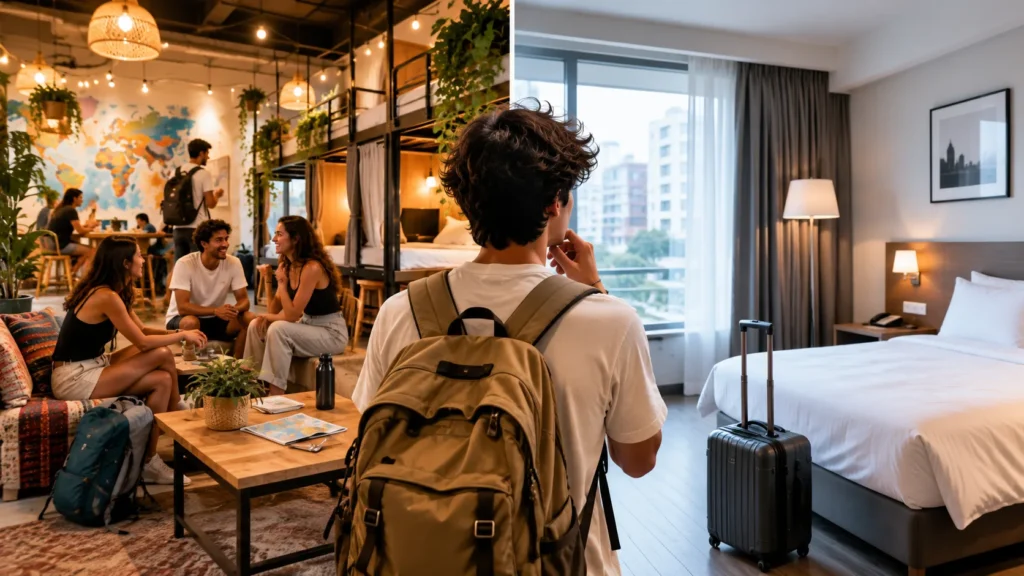
Gen Z hostels are no longer just the cheap bunk-bed stopover people imagine when they hear the word hostel. They have turned into social travel hubs, budget-friendly design spaces, work-from-anywhere bases, and cultural launchpads for a generation that wants more from a trip than a clean bed and a locked door. For years, budget hotels owned the middle ground between affordability and comfort, offering predictable rooms for travelers who did not want luxury but still wanted privacy. Now that middle ground is being challenged by a sharper, cooler, more community-driven model that speaks directly to younger travelers who care about price, vibe, flexibility, location, and shareable experiences. That is why Gen Z hostels are becoming a real threat to cheap hotels, not because they are copying them, but because they are rewriting what affordable travel is supposed to feel like.
The shift did not happen overnight, and it did not come from one viral trend alone. It grew out of a travel culture shaped by expensive flights, tighter budgets, remote work habits, solo trips, short breaks, and social media discovery. Gen Z travelers are entering adulthood in a world where everything feels more expensive, so they are more intentional about where their money goes. A basic hotel room may offer privacy, but it often does not offer connection, personality, local energy, or the sense that the stay itself is part of the trip. Modern hostels noticed that gap early, and they started building spaces where affordability meets lifestyle instead of feeling like a compromise.
Why Budget Hotels Are Suddenly Feeling Pressure
Budget hotels used to win because they were simple, safe, and easy to understand. Travelers knew what they were paying for: a private room, a bathroom, a bed, basic amenities, and usually a location near transport or business districts. For older generations, that formula still works well because it offers a familiar kind of convenience. For Gen Z, however, that same formula can feel flat when compared with a hostel that has a rooftop hangout, coworking table, walking tours, shared kitchens, local events, and a lobby that actually feels alive. The problem for budget hotels is not that they have become worse; it is that younger travelers have become more demanding in a different way.
Gen Z is not always chasing the cheapest option in the most basic sense. They are chasing the best value, and value now includes atmosphere, community, aesthetics, safety, flexibility, and digital convenience. A room can be affordable and still feel emotionally overpriced if the experience is forgettable. That is where hostels are becoming dangerous competitors, because they can turn a lower nightly rate into a richer travel experience. Budget hotels may still have privacy on their side, but hostels are learning how to offer private rooms, pod-style beds, quiet zones, female-only dorms, lockers, smart check-in, and boutique-style interiors while keeping the social DNA that made them famous.
The Rise of Gen Z Hostels as Lifestyle Spaces
The new hostel is not just a place to sleep after a long train ride. It is a lobby that doubles as a cafe, a kitchen where strangers become travel buddies, a rooftop where people compare routes, and a digital-friendly base where guests can work before heading out for street food or a night market. This matters because Gen Z often treats accommodation as part of the destination, not a separate background detail. A boring room far from the action is less appealing when a hostel can put them inside the social rhythm of a city. In that sense, modern Gen Z hostels are selling more than beds; they are selling entry into a temporary community.
The design language has changed too, and that change is not superficial. Many newer hostels look closer to boutique hotels than old-school backpacker dorms, with warm lighting, clean branding, curated common areas, murals, plants, capsule-style bunks, and local design touches. Those details matter in a world where travelers research visually, save destinations on social platforms, and compare stays through photos before reading long descriptions. A budget hotel can be clean and still look generic, while a hostel can feel specific to the city, the neighborhood, and the kind of traveler it wants to attract. That difference makes hostels more memorable, and memorability is a serious advantage in travel.
Community Is the New Amenity
For many young travelers, the biggest luxury is not marble bathrooms or room service. It is finding people to explore with, getting honest tips from other guests, joining a free walking tour, or feeling less alone in a city they have never visited before. Solo travel has become more normal, but solo does not always mean isolated. Hostels understand this better than budget hotels, because their entire model is built around shared space and easy conversation. A hotel lobby often tells guests to pass through, while a hostel common area tells them to stay, talk, plan, and belong for a while.
This community factor is hard for cheap hotels to copy because it is not just about adding a sofa or a coffee machine. It depends on programming, layout, staff culture, guest expectations, and the subtle permission to interact without feeling awkward. Hostel guests expect some level of social openness, so a conversation in the kitchen or lounge feels natural rather than intrusive. Budget hotel guests usually expect privacy, which makes spontaneous community much harder to create. That is why the social side of hostels is not a small feature; it is one of the strongest reasons they can pull young travelers away from traditional low-cost hotels.
How Budget Travel Changed the Rules
Travel costs have changed how younger people plan trips, especially when transportation, food, activities, insurance, and luggage fees can stack up fast. Gen Z travelers are often careful with spending, but they still want trips that feel meaningful and visually memorable. This creates a perfect opening for hostels, because they reduce accommodation costs while also helping guests save on meals, transport tips, social activities, and local recommendations. A shared kitchen can turn a pricey restaurant night into a group dinner, and a hostel-run tour can make a city feel accessible without requiring a luxury travel budget. For readers planning smarter routes, budget travel strategies now often begin with choosing accommodation that stretches money beyond the room itself.
Budget hotels are often priced as a single product: pay for the room, then figure out the rest on your own. Hostels behave more like travel ecosystems, especially in backpacker-heavy cities where staff know which buses to take, which neighborhoods feel safe at night, and which attractions are worth skipping. That kind of local intelligence can save real money, and it can also prevent first-time travelers from making expensive mistakes. Gen Z travelers are very comfortable using apps, maps, and social media, but they still value human recommendations when they feel authentic. A hostel that combines digital convenience with real community guidance can feel more useful than a budget hotel with a front desk and a vending machine.
Short Trips Make Hostels More Attractive
Another reason hostels are gaining power is the rise of short, flexible trips. Gen Z travelers may not always have the time or money for long vacations, so weekend escapes, city breaks, and quick backpacking loops are becoming more appealing. On a short trip, location and instant access matter a lot because every hour counts. A hostel near nightlife, public transit, beaches, markets, or old-town districts can create a stronger experience than a cheaper hotel on the edge of town. When travelers only have three nights, they often choose the place that helps the trip start immediately.
This is where the hostel model fits the rhythm of modern travel. A guest can arrive, drop a backpack, meet people, join an evening activity, and collect practical advice in the first hour. That speed is valuable because young travelers are often building trips around limited time, limited cash, and a desire to do as much as possible without overplanning. Budget hotels can offer a fast check-in, but they rarely offer instant social context. For Gen Z, that context can be the difference between a trip that feels like a room reservation and a trip that feels like a story.
Privacy Is No Longer a Hotel-Only Advantage
The classic argument against hostels has always been privacy. Shared dorms, shared bathrooms, late-night noise, and strangers coming in and out are not for everyone, and those concerns are valid. But the modern hostel industry has been adapting quickly because it understands that Gen Z wants community without losing all control over personal space. Many hostels now offer private rooms, curtained bunks, pod beds, quiet floors, smaller dorms, secure lockers, and clear rules around noise. That means the old choice between “cheap but chaotic hostel” and “private but plain hotel” is becoming less clear.
This evolution is especially important for travelers who want to socialize on their own terms. They may want a group dinner at 8 p.m. but still want a curtain, a charging port, and a quiet sleep after midnight. They may want to meet people but not share every personal moment. Hostels that understand this balance are winning because they do not force guests into one travel personality. Instead, they offer layers of privacy and connection, which can feel more modern than the fixed format of a standard budget hotel room.
Private Rooms Are Changing the Competition
Private rooms inside hostels are one of the biggest reasons budget hotels should pay attention. These rooms let travelers enjoy the social benefits of a hostel while keeping the comfort of a door they can close. For couples, friends, older backpackers, digital nomads, and first-time hostel guests, that hybrid option can feel ideal. It removes the biggest fear around hostels while keeping access to shared kitchens, events, lounges, and local advice. Once a hostel offers a private room at a competitive price, the budget hotel must compete not only on cost but also on atmosphere and experience.
The private-room trend also changes how people define hostel guests. Hostels are no longer only for gap-year backpackers carrying oversized bags across continents. They also attract remote workers, weekend travelers, festival-goers, students, creators, and young professionals who want affordable accommodation with personality. This broader guest mix makes the hostel environment more dynamic, which can strengthen its appeal even further. A budget hotel may still be more predictable, but predictability is not always the dream when travelers are looking for stories, connections, and a sense of place.
Why Gen Z Travelers Trust Hostels Differently
Trust is a major part of the hostel boom, and Gen Z builds trust differently from older travelers. They do not rely only on brand names or star ratings; they scan photos, reviews, social clips, neighborhood notes, safety comments, and the overall vibe of a place. A hostel with honest guest reviews, clear photos, strong security details, and visible social proof can feel more trustworthy than an unknown budget hotel with sterile images and vague descriptions. This is why digital reputation matters so much in the hostel space. The best modern hostels know they are being judged before the booking page, often through the emotional impression created by previous guests.
Gen Z also values transparency, especially around costs and expectations. Hidden fees, unclear room types, confusing check-in rules, and misleading photos can damage trust quickly. Hostels that clearly explain dorm sizes, bathroom setups, luggage storage, quiet hours, social events, and location details reduce anxiety for travelers who want to know what they are walking into. Budget hotels sometimes rely on basic familiarity, but familiarity does not always equal confidence. A hostel with better communication can win over a younger traveler even if the setup is less traditional.
The Backpacking Culture Behind the Shift
Backpacking has always been about more than saving money. It is about movement, flexibility, curiosity, and the feeling that travel can happen without waiting for perfect timing or a luxury budget. Gen Z has inherited that spirit but updated it with better technology, stronger safety expectations, and a more visual way of discovering places. They may plan through social media, book through mobile apps, navigate with offline maps, and compare hostel ratings in seconds. Still, the emotional core of backpacking remains the same: go somewhere new, spend wisely, meet people, and come back with a story that feels personal.
This is exactly where hostels fit naturally. They give backpackers a base that is flexible enough for changing plans and social enough for shared discoveries. A traveler might arrive alone in Bangkok, Lisbon, Mexico City, or Tirana and leave with a group chat full of people heading in different directions. That kind of network is difficult to manufacture in a budget hotel corridor. For deeper route planning and accommodation choices, a strong hostel guide can now matter as much as a destination guide because the right stay can shape the entire trip.
Hostels Turn Accommodation Into Travel Infrastructure
For backpackers, a hostel is often more than a sleeping arrangement. It is where they find bus routes, cheap food tips, visa advice, laundry options, SIM card recommendations, and warnings about tourist traps. This makes hostels part of the travel infrastructure, especially for younger guests navigating unfamiliar places on limited budgets. Budget hotels can provide information too, but they are rarely built around the same traveler-to-traveler knowledge exchange. When a hostel works well, the building becomes a living message board where practical tips move faster than any official guide.
The practical advantage becomes even stronger in cities where tourism is fragmented or confusing. A helpful hostel can simplify transport, explain local etiquette, recommend affordable neighborhoods, and point guests toward authentic experiences that do not drain their wallets. This creates loyalty because travelers remember who made a complicated city feel manageable. They may not remember the exact thread count of their bedsheets, but they remember the staff member who helped them catch the right night bus. That emotional memory gives hostels a brand advantage that cheap hotels often underestimate.
What Budget Hotels Can Still Do Better
It would be too simple to say hostels are replacing budget hotels entirely. Budget hotels still serve a real need, especially for travelers who want quiet, privacy, consistency, and minimal interaction. Families, business travelers, older guests, couples seeking calm, and people with strict sleep needs may still prefer a low-cost hotel over a social hostel. There is also a comfort in knowing exactly what a private hotel room includes, especially after a long flight or stressful journey. Hostels are rising fast, but they do not erase the value of a simple, private, reliable room.
However, the challenge for budget hotels is that they can no longer survive on basic affordability alone. If a hotel feels dull, inconvenient, poorly designed, and disconnected from the local area, younger travelers may see it as bad value even when the price is reasonable. Budget hotels that want to compete may need to borrow some hostel energy without losing their core strengths. That could mean better communal spaces, smarter local guides, more flexible check-in, cleaner design, digital-first service, or partnerships with neighborhood businesses. The winning hotel of the future may not become a hostel, but it will need to understand why hostels feel more alive.
The Business Impact of Gen Z Hostels
The rise of Gen Z hostels is not just a cultural shift; it is a business signal. Accommodation brands are learning that young travelers do not separate price from identity, and they do not always define comfort in traditional ways. A clean dorm with privacy curtains, fast Wi-Fi, a social calendar, and a beautiful common area can beat a plain private room if the traveler values experience over isolation. This changes how properties compete, how cities attract young tourism, and how hospitality brands design their next concepts. The budget segment is becoming less about who can strip the product down the most and more about who can make affordability feel exciting.
For hostel operators, the opportunity is huge but not automatic. They must keep prices accessible while improving safety, design, cleanliness, and guest experience. If hostels become too expensive or too polished, they risk losing the backpacker soul that made them attractive in the first place. If they stay too basic, they may fail to meet the expectations of travelers who now compare hostels with boutique hotels and short-term rentals. The sweet spot is a careful mix of affordability, personality, community, and trust, and the brands that master that mix will be the ones budget hotels fear most.
Local Experiences Make the Difference
One of the biggest ways hostels separate themselves from budget hotels is through local experience. A hostel can organize street food walks, language exchanges, surf lessons, city cycling routes, volunteer days, market tours, or casual hangouts with local creatives. These activities do not always need to be expensive or complicated, but they can make a stay feel connected to the destination. Gen Z travelers often want to feel like they found something real, not just something packaged. A hostel that helps them access local culture in an affordable way becomes more than accommodation; it becomes the doorway into the city.
This is especially powerful because younger travelers are often skeptical of overly polished tourism. They can spot generic experiences quickly, and they are more likely to value places that feel honest, social, and rooted in the neighborhood. Budget hotels may have brochures in the lobby, but hostels can have staff and guests actively shaping the nightly plan. That living, flexible style matches the way Gen Z travels, where plans can change after one conversation or one recommendation. The more hostels lean into authentic local connection, the harder it becomes for budget hotels to compete on price alone.
Safety, Cleanliness, and the New Hostel Standard
For hostels to keep winning, they must take safety and cleanliness seriously. Gen Z may be adventurous, but that does not mean they are careless about where they sleep, store their belongings, or meet strangers. Secure lockers, clear access control, clean bathrooms, respectful staff, female-only options, well-lit common areas, and transparent rules are now essential parts of the hostel experience. A cheap bed is not enough if guests feel uneasy or misled. In fact, the modern hostel boom depends on proving that social accommodation can also be responsible and professional.
This matters because trust spreads quickly through reviews. One poor cleanliness pattern or repeated safety complaint can damage a hostel far faster than a traditional hotel might expect. At the same time, a hostel with strong safety systems and warm staff can build a loyal reputation among solo travelers and first-time backpackers. That reputation becomes a competitive weapon, especially in cities where dozens of cheap stays appear similar at first glance. The best hostels understand that vibe brings guests in, but safety and cleanliness bring them back.
Why This Trend Matters for Future Travelers
The rise of Gen Z hostels matters because it gives travelers more power. It expands the idea of budget accommodation beyond plain rooms and makes affordable travel feel more creative. Instead of choosing between saving money and having a memorable stay, travelers can look for places that deliver both. This is especially important in a time when travel can feel financially out of reach for many young people. Hostels are helping keep travel possible, not by making everything luxurious, but by making shared, social, flexible travel feel desirable again.
For first-time backpackers, this trend also lowers the emotional barrier to travel. A good hostel can make a new city feel less intimidating by offering community, guidance, and structure without removing the freedom that makes backpacking exciting. For solo travelers, it can turn loneliness into connection. For budget travelers, it can turn cost-cutting into smart planning rather than sacrifice. For cities, it can attract visitors who stay longer, spend locally, and explore beyond the most obvious tourist zones.
Conclusion: Budget Hotels Have a Real Rival Now
Gen Z hostels are becoming a new threat to budget hotels because they understand what young travelers actually want right now. They combine affordability with community, privacy with flexibility, and local energy with digital convenience. They are not perfect, and they are not the right fit for every traveler, but they are changing the standard for what a low-cost stay can offer. Budget hotels still have a place, especially for guests who prioritize quiet and private space above everything else. Yet the old formula of cheap, clean, and forgettable is starting to look weak next to hostels that feel social, useful, stylish, and alive.
The future of affordable accommodation will probably not belong to one format alone. It will belong to the places that understand value as something bigger than price. For Gen Z, value means saving money while gaining a story, a connection, a useful tip, a good location, and a space that feels aligned with how they travel. That is why hostels are moving from the edge of the travel industry into the center of the budget conversation. The message for cheap hotels is clear: young travelers are still budget-conscious, but they are no longer satisfied with budget experiences that feel empty.