
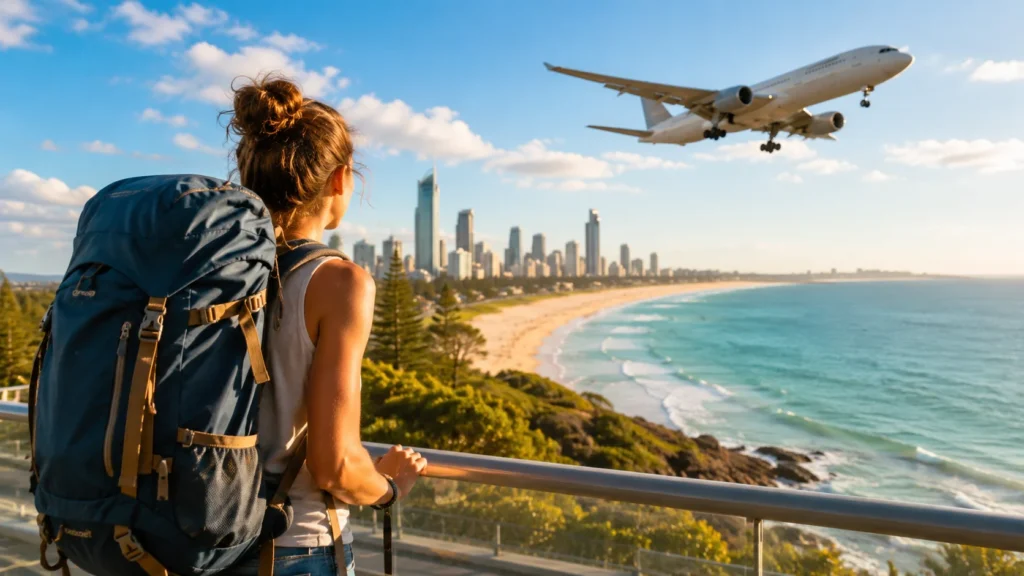
The sudden wave of Australia backpacker flights has turned a normal travel deal into a bigger story about how young travelers, gap-year planners, remote workers, and budget explorers can move across a massive country without wrecking their savings. Australia has always been a dream destination for backpackers, but it has also carried a reputation for being expensive, especially when trips stretch beyond one city. When domestic fares drop as low as the price of a casual night out, the travel map starts to look different, and routes that once felt like “maybe someday” become realistic weekend jumps or longer hostel-hopping loops. This latest airfare discount moment matters because it lands right when travelers are thinking ahead to summer, holiday breaks, and flexible trips across beaches, cities, islands, and regional gateways. For backpackers, the real win is not just a cheaper ticket; it is the chance to design a smarter route where flights, hostels, buses, and local experiences work together instead of fighting the budget.
Australia is not a tiny backpacking playground where every place sits a short train ride away. It is wide, dramatic, spread out, and sometimes logistically brutal if every transfer has to happen by road. A traveler can underestimate the distance between Sydney and Cairns, Melbourne and the Gold Coast, or Brisbane and regional Queensland until they see the hours stacking up on a map. That is why discounted domestic flights can change the whole rhythm of a trip, especially for visitors with limited time and a carefully counted budget. Instead of spending two days crossing long stretches by bus, backpackers can fly into one city, sleep cheaply in a hostel, move fast to the next coast, and use the saved time for actual experiences rather than transit fatigue.
Why Australia Is Suddenly Back on the Backpacker Map
For years, Australia has lived in two different travel realities at the same time. On one side, it is a classic backpacker destination with surf towns, hostel kitchens, working holiday culture, national parks, long beaches, and cities full of international travelers looking for community. On the other side, it can feel expensive the moment flights, food, transport, and accommodation start adding up in Australian dollars. Cheap airfare sales soften that second reality and make the first one easier to access. When airlines release huge blocks of discounted seats across domestic and short-haul routes, backpackers get a rare opening to plan with more freedom and less financial anxiety.
The timing also fits the way modern backpackers travel now. Many people are no longer planning one rigid vacation with every detail locked months in advance. They are mixing work, study breaks, freelance schedules, and spontaneous detours into trips that need flexibility. A low fare between major cities can become the missing piece that turns a simple Sydney stay into a Sydney-to-Byron-to-Brisbane route. A discounted seat to the Sunshine Coast or Gold Coast can make a beach chapter possible without sacrificing the city chapter. This is why airfare discounts do more than lower prices; they quietly reshape the emotional feeling of what a traveler believes is possible.
There is also a bigger shift happening in budget travel behavior. Travelers are becoming more strategic, not necessarily cheaper in every decision, but sharper about where money creates the most value. They may spend less on a flight so they can afford a better hostel location, a reef tour, a food market crawl, or a few extra nights in a destination that feels right. They may book a dorm bed instead of a private room, then use the savings for a route that covers more ground. In that sense, cheap Australia flights are not just transport; they are budget multipliers that make the whole itinerary work harder.
Australia Backpacker Flights and the New Budget Route
The best way to understand Australia backpacker flights is to stop thinking of them as single one-way tickets and start seeing them as route-building tools. A backpacker landing in Sydney might use a cheap fare to jump north toward Byron Bay or the Gold Coast, then continue into Brisbane by bus or train. Another traveler could start in Melbourne, catch a discounted flight to Adelaide, and build a slower food, wine, and coast-focused route from there. Someone chasing warm weather might use airfare drops to reach Cairns, then spend more of the budget on hostels, reef access, waterfalls, and local transport. The flight becomes the shortcut that unlocks the deeper travel layer.
This matters because Australia’s most memorable backpacking routes are rarely contained inside one city. Sydney offers harbor views, beaches, nightlife, museums, and a strong arrival vibe, but the backpacker story often expands once travelers move beyond it. Brisbane works as a sunny gateway to Queensland, while the Gold Coast pulls in travelers with surf energy and high-rise beach culture. Cairns opens the door to tropical North Queensland, reef trips, rainforests, and an entirely different climate from the southern capitals. When fares drop, the old question changes from “Can I afford another destination?” to “Which route gives me the best version of this trip?”
Budget travelers should still be careful, because a cheap ticket does not automatically mean a cheap trip. The base fare may look beautiful, but add-ons can quietly push the total upward if travelers choose checked bags, seat selection, changes, or extras they do not need. Backpackers with carry-on-only setups often benefit the most because they can keep the fare close to its advertised price. This is where packing style becomes a financial strategy, not just a lifestyle choice. A lighter backpack can mean faster airport movement, fewer fees, easier hostel storage, and more freedom to say yes when a last-minute route appears.
The Carry-On Backpack Advantage
The travelers who win hardest during airfare sales are usually the ones who already know how to travel light. A 40-liter backpack, a tight capsule wardrobe, a microfiber towel, a refillable bottle, and a simple tech pouch can make discounted flights much easier to use. Carry-on travel reduces the chance of baggage fees and helps backpackers move quickly between airports, hostels, buses, and walking routes. It also lowers stress because there is less to lose, less to repack, and less to drag through a hot city after checkout. For Australia, where many routes involve beach gear and warmer climates, choosing quick-dry clothing and versatile layers can make a small bag feel surprisingly capable.
The carry-on approach also fits hostel life better than oversized luggage. Dorm rooms are shared spaces, and giant suitcases can become awkward when storage is limited or stairs replace elevators. A compact backpack fits lockers more easily, moves better through crowded rooms, and makes early departures less chaotic. If the goal is to chase discounted routes across several Australian cities, mobility becomes part of the experience. The less time spent managing luggage, the more time there is for breakfast runs, beach walks, walking tours, and random conversations in hostel common rooms.
How Hostel Travelers Can Turn Sale Fares Into Real Savings
A cheap flight is only the first layer of a budget trip. The real savings happen when the airfare lines up with affordable accommodation, walkable neighborhoods, free attractions, low-cost food options, and local transport. Backpackers should compare the total destination cost rather than only the flight price, because a bargain fare into a pricey area can still become expensive once nightly rates and transfers are counted. A slightly higher fare to a city with cheaper hostels may sometimes make more sense than the lowest fare on the screen. Smart planning means looking at the whole travel day, from airport arrival to hostel check-in and the first meal after dropping the bag.
Hostels are especially powerful in this equation because they reduce more than accommodation costs. A good hostel can replace paid social activities with free walking tours, common-room meetups, kitchen dinners, pub nights, beach groups, and shared trip planning. In Australia, where eating out can become expensive quickly, hostel kitchens are one of the most underrated budget tools. A traveler who cooks breakfast and a simple dinner can keep more money for transport, day trips, or one memorable splurge. This is why airfare sales and hostel strategy belong together in any serious budget travel routes plan.
The other key is booking rhythm. Backpackers do not always need to lock every hostel stay months ahead, but during summer, school holidays, festivals, and major events, popular dorms can fill quickly or jump in price. If a discounted flight falls inside a high-demand period, the hostel search should happen before the booking excitement takes over. The smartest move is to check a few neighborhoods, compare dorm prices, scan cancellation policies, and estimate airport transfer costs before paying for the ticket. That ten-minute check can prevent the classic budget-travel trap where the flight is cheap but everything around it is not.
Look Beyond the Fare and Read the Route
Backpackers should think like route designers, not just deal hunters. A $49 fare can be amazing, but only if the flight time, airport location, baggage rules, and next connection actually support the trip. An early morning flight may require an expensive taxi if public transport is not running, while a late arrival can make hostel check-in more complicated. A discounted route may also be better as the start of a journey than the end, especially if it connects naturally to buses, trains, or rideshares. Reading the route means asking whether the cheap ticket makes the whole trip easier or simply adds another moving part.
This is where Australia rewards travelers who slow down for a moment before booking. A route from Sydney to Ballina can open access to Byron Bay energy without making the traveler land directly in the middle of the most expensive accommodation zone. A fare to the Gold Coast can work for beach lovers, theme-park travelers, and people heading toward Brisbane later. A flight into Cairns can be the start of a tropical chapter, but the budget should include reef tours or regional transport if those are part of the dream. The best deal is not always the cheapest seat; it is the fare that creates the strongest travel story for the money.
The Cities Backpackers Should Watch First
Sydney remains the obvious starting point for many international travelers, and cheap domestic connections make it more useful as a launchpad. A backpacker can spend a few days adjusting to Australia, exploring beaches, walking through neighborhoods, and meeting people in hostels before flying north or south. The city itself is not always cheap, so a short, intentional Sydney stay can work better than a long, unfocused one. By treating Sydney as a gateway rather than the whole trip, travelers can protect their budget while still enjoying the iconic arrival moment. That is especially helpful for first-time visitors who want the postcard experience without spending the entire wallet in one place.
Melbourne offers a different kind of value for backpackers who care about food, culture, live music, street art, coffee, secondhand shopping, and walkable urban days. Flights from Melbourne to beach or regional destinations can help travelers combine city depth with a warmer escape. The city can be rainy or moody depending on the season, but that also makes it a strong hostel destination because social indoor spaces matter more. Backpackers who enjoy slow mornings, neighborhood wandering, and low-cost cultural experiences may find Melbourne easier to stretch than expected. When discounted flights connect Melbourne with Adelaide, the Gold Coast, or other cities, it becomes a flexible southern anchor.
Brisbane and the Gold Coast deserve extra attention because they sit inside a backpacker-friendly zone with sunshine, beaches, nightlife, and onward movement possibilities. Brisbane can feel more relaxed than Sydney and Melbourne, while the Gold Coast leans into beach energy and entertainment. A cheap fare into either place can work as a starting point for Queensland, especially for travelers who want warm weather and social hostels. The challenge is avoiding overspending on touristy extras that do not fit the budget. A strong plan mixes free beaches, grocery-store meals, public transport, and carefully chosen paid experiences.
Cairns is one of the most important names for backpackers watching airfare sales because it unlocks a completely different version of Australia. It is tropical, adventure-heavy, social, and tied to bucket-list experiences like reef trips and rainforest routes. The flight may be discounted, but the experiences can cost real money, so travelers should plan the Cairns budget honestly. A hostel with a strong social scene can help backpackers find group deals, shared transport, and tripmates for day tours. When planned well, Cairns can become the chapter where a cheap flight turns into the most memorable part of the journey.
Why Airfare Discounts Change Backpacker Behavior
Airfare discounts do something psychological before they do anything logistical. They make movement feel possible, and that feeling matters in backpacker culture. When a traveler sees a route priced within reach, the map becomes less intimidating and the trip becomes more playful. Instead of thinking in strict city stays, they begin imagining loops, detours, and open-ended paths. That mental shift can create more adventurous itineraries, but it can also tempt people into overbooking, so the balance between freedom and discipline becomes important.
The modern backpacker is also dealing with a different cost environment than travelers from a decade ago. Accommodation prices fluctuate, food costs feel heavier, and popular destinations can become crowded fast when social media pushes them into the spotlight. Cheap flights help, but they do not erase the need for planning. They simply give travelers a better starting point and more room to make smart trade-offs. A backpacker who saves on a domestic flight might be able to choose a safer hostel location, stay one more night, or avoid an exhausting overnight bus that would have damaged the next day.
Discounted flights may also spread backpacker traffic beyond the usual routes. When a destination becomes easier to reach, travelers are more likely to consider it, especially if hostel prices and local experiences look reasonable. That can benefit smaller cities and regional gateways that often sit outside the first draft of an Australia itinerary. It can also reduce pressure on the most obvious travel corridors if people start mixing their routes more creatively. For budget travel culture, that kind of distribution is healthy because it gives travelers more choices and destinations more visibility.
The Risk of Overbuilding the Trip
There is one trap that comes with cheap flights: the urge to add too many stops. Australia is huge, and even short flights take energy once airport transfers, security, waiting time, check-in, and hostel logistics are included. A trip with five discounted flights can look efficient on paper but feel exhausting in real life. Backpackers should leave room for slow days, laundry, grocery shopping, unexpected friendships, weather changes, and the simple need to rest. The best budget routes are not always the fullest routes; they are the ones where each stop has enough space to become a memory.
This is especially true for travelers who are working remotely or studying while moving. A cheap flight can create a tempting detour, but constant movement can make it harder to keep routines, manage calls, sleep properly, or enjoy a place deeply. Hostels are social, but they can also be noisy, so recovery time matters. A smarter route might include two faster stops and one longer base where the traveler can settle in. The goal is not to collect airport codes; it is to experience Australia without feeling like the trip is running away from you.
Backpacking Australia on a Smarter Flight Budget
The strongest strategy for using Australia backpacker flights is to build a layered budget before booking. Start with the fare, then add baggage, airport transfers, hostel nights, meals, local transport, laundry, activities, and a small emergency buffer. This may sound basic, but many travelers only compare flight prices and forget that the cheapest route can still become expensive after arrival. If two destinations have similar fares, the better choice may be the one with cheaper dorms and more free things to do. Backpacking is not about spending nothing; it is about spending with awareness.
A flexible calendar can make a huge difference. Sale fares often hide their best value on less obvious dates, midweek departures, early mornings, or shoulder-season windows. Backpackers who are not tied to school holidays or fixed annual leave can take advantage of those gaps. This is one of the reasons working holiday travelers and long-term backpackers are well positioned to benefit from discounted routes. They can move when the price makes sense instead of forcing the price to match a narrow schedule.
Another smart move is to build around weather and travel style rather than chasing every famous stop. A traveler who loves beaches may prioritize Queensland and northern New South Wales, while someone who prefers food, art, and nightlife may build around Melbourne and Sydney. Adventure travelers might save flight money for Cairns, Tasmania, or regional escapes, depending on the season and available fares. The route should match the traveler’s actual energy, not just a list of places that look good online. Cheap tickets are powerful, but they are even better when they support a trip that feels personally right.
- Check hostel prices before booking the flight, especially during holiday periods.
- Travel carry-on only when possible to protect the lowest fare.
- Compare airport transfer costs before choosing between nearby destinations.
- Use cheap flights for long-distance jumps and slower transport for short hops.
- Leave at least one flexible day after late arrivals or early departures.
These simple rules can prevent the most common budget mistakes. A traveler might see a great fare and book instantly, only to discover that the destination’s affordable hostels are full. Another might save money on the ticket but pay extra for checked luggage because their bag is too heavy. Someone else might land late and spend the savings on a rideshare because public transport is limited. The point is not to make travel boring or overly controlled. The point is to protect the freedom that cheap fares are supposed to create.
What This Means for Hostels Across Australia
When airlines discount large numbers of seats, hostels can feel the effect quickly. More affordable flights can bring travelers into cities earlier, extend stays, or encourage multi-city trips where backpackers need beds in several places. This is especially important for hostel operators in gateway destinations that rely on seasonal movement. A traveler who might have skipped a city because of airfare costs may now include it for two or three nights. If hostels respond with flexible booking policies, social programming, and clear local guidance, they can turn flight-sale traffic into stronger guest experiences.
Hostels that understand the flight-sale traveler can also market themselves better. These guests are often price-aware, mobile, and route-driven, so they want practical information fast. They care about airport access, luggage storage, kitchen quality, laundry, late check-in, Wi-Fi, social spaces, and nearby cheap food. They may be choosing between several cities, not just several properties, so a hostel that explains the local route value can stand out. In a competitive budget travel market, the best hostel is not only a bed; it is a route partner.
This could also create opportunities for hostels outside the most famous neighborhoods. If cheap flights bring more travelers into a region, some guests may be willing to stay slightly outside the main tourist strip if transport is easy and the price is right. That opens space for more local experiences, less crowded areas, and different types of backpacker communities. However, location still matters, especially for solo travelers arriving late or leaving early. Hostels that combine affordability with safety, access, and atmosphere will be best positioned to benefit.
The Bigger Travel Trend Behind the Deals
The latest airfare discounts are part of a wider travel mood where people want movement but are becoming more selective about spending. Travelers still want big experiences, but they are less willing to ignore costs just to follow the old vacation script. Backpackers, in particular, are used to adapting quickly when prices shift. They will change cities, travel dates, accommodation styles, and daily habits if it helps keep the trip alive. Airlines know that price-sensitive travelers respond strongly to clear discounts, especially when the route connects to summer, beaches, events, or holiday travel.
At the same time, travel demand remains emotional. People are not only buying transport; they are buying the feeling of escape, possibility, and momentum. A cheap flight to the coast can represent a reset after a stressful year. A discounted route to a new city can become a first solo trip, a reunion, or the start of a longer backpacking chapter. This emotional layer is why airfare sales spread quickly across social feeds and group chats. The deal is financial, but the reaction is deeply personal.
For Australia, the trend also highlights how domestic travel can compete with international short-haul options. Some travelers may compare a local beach route with a trip to Bali, New Zealand, or nearby Pacific destinations. Backpackers will follow the value, but value includes more than price. Visa rules, travel time, hostel availability, weather, currency, safety, and personal curiosity all shape the final decision. Australia’s advantage is that once backpackers are already inside the country, discounted domestic flights can keep them exploring longer instead of leaving sooner.
How to Build a Backpacker Route From the Sale
A practical route should begin with one anchor city and one dream experience. For example, a traveler might anchor in Sydney and dream of reaching tropical Queensland. From there, the route can use a discounted flight north, a hostel base in Cairns, and a slower return through Brisbane or the Gold Coast if time allows. Another traveler might anchor in Melbourne and use a sale fare to build a warmer escape after a city-heavy week. The important thing is choosing a clear travel purpose before adding destinations.
After the anchor is set, backpackers should decide whether the trip is fast, balanced, or slow. A fast route might cover three cities in ten days, but it requires discipline and light luggage. A balanced route might spend four or five nights in each place, giving enough time for social connection and local wandering. A slow route might use one cheap flight to reach a region, then stay longer and explore nearby areas through cheaper ground transport. Each style can work, but mixing them without intention often creates stress.
The final step is building the money map. That means writing down the real cost of each stop, not just the exciting parts. Backpackers should include dorm beds, groceries, airport transfers, local buses, one or two paid activities, and backup money for changes. If the numbers feel too tight, the solution may be removing a destination rather than cutting every enjoyable part of the trip. A leaner route with better experiences often beats a crowded route where every day feels financially tense.
Conclusion: Cheap Flights Make Australia Feel Bigger and Closer
The new wave of Australia backpacker flights is more than a travel sale headline. It is a reminder that price can change the shape of a journey, especially in a country where distance usually demands a serious budget. For backpackers, discounted fares can open routes between cities, beaches, tropical gateways, and regional stops that once felt too expensive or too time-consuming. The real opportunity is not just grabbing the lowest fare, but connecting that fare to hostels, carry-on packing, flexible dates, and a route that leaves room to actually enjoy the place. When used wisely, cheap flights can make Australia feel both bigger in possibility and closer in reach.
Still, the smartest travelers will treat every deal with a clear head. They will check baggage rules, compare hostel prices, study airport transfers, and make sure the cheap ticket supports the full trip rather than complicating it. They will use flights for the long jumps, hostels for community and savings, and slower travel for the moments that make backpacking feel human. That is the sweet spot where budget travel becomes more than bargain hunting. It becomes a way to move through Australia with freedom, intention, and just enough money left for the experiences that matter most.