
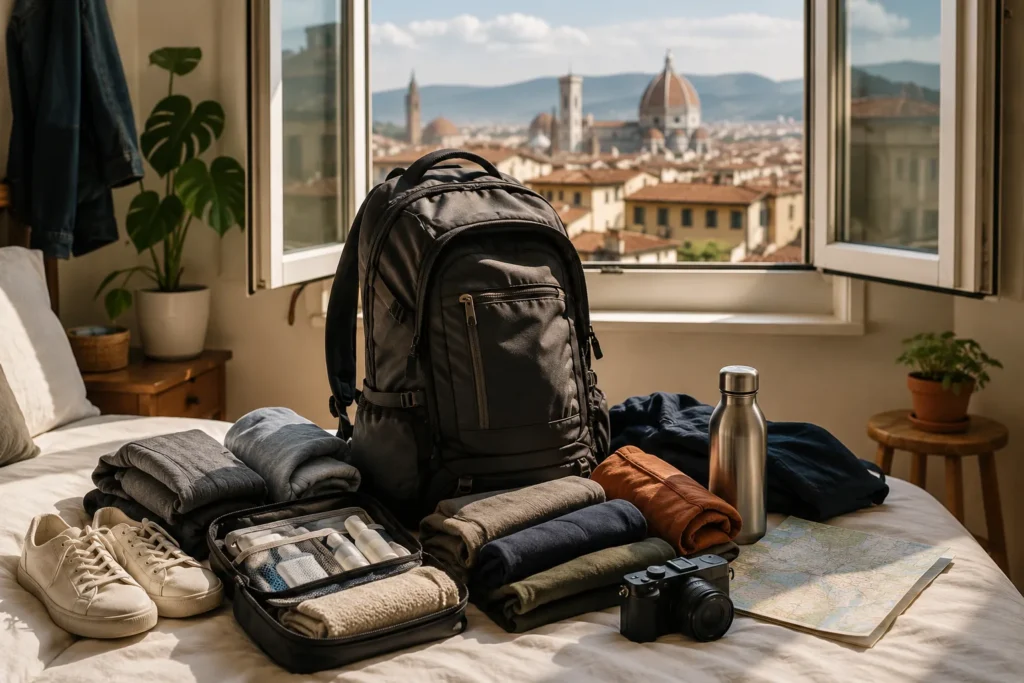
A one backpack Europe trip sounds romantic until the first staircase in an old train station reminds you that every extra item has weight, attitude, and consequences. Europe has a way of exposing bad packing choices fast, from cobblestone streets that hate rolling suitcases to budget airline gates where a slightly bulky bag can suddenly become a paid problem. That is why traveling with one backpack is no longer just a minimalist flex; it is becoming one of the smartest ways to move through cities, hostels, overnight trains, low-cost flights, and spontaneous weekend detours. The lesson is not that travelers should suffer with less, but that they should carry only what actually earns its place. When done right, one-bag travel gives you more freedom, fewer fees, faster movement, and a calmer brain when the trip gets messy.
The modern backpacker is not packing light because they want to look rugged in an airport mirror. They are doing it because travel in Europe has become faster, tighter, hotter, more expensive, and more rule-heavy than it used to feel. A summer route can start with a cheap flight, jump into a hostel dorm, roll into a train platform, and end with a last-minute bus to a cheaper city. In that kind of trip, the suitcase becomes a liability, especially when elevators are broken, sidewalks are narrow, and the hostel locker is not built for giant luggage. A backpack, on the other hand, turns your body into your storage system, and that sounds intense until you realize how much time it saves. The real packing lesson is simple: the best bag is the one that lets you keep moving without negotiating with your own stuff.
Why One Backpack Travel Fits Europe Right Now
Europe rewards travelers who can move quickly, and one backpack makes that easier in almost every situation. Trains arrive fast, platforms change without warning, and older city centers were clearly not designed for travelers dragging plastic wheels across stone streets at midnight. Hostels also change the equation because shared rooms, small lockers, and crowded common areas make oversized luggage feel awkward before the trip even starts. When your entire setup fits on your back, check-in feels smoother, local buses feel less stressful, and walking from the station to your bed becomes part of the adventure instead of a mini workout from hell. This is why the one backpack Europe trip is not just about packing tips; it is about designing a trip that stays flexible when plans shift.
Budget airlines have made this even more important because baggage rules can vary by carrier, fare type, and route. One airline might treat a small underseat backpack as free, while another might charge for anything that does not fit a strict size box at the gate. Even when the rules seem clear online, the real test often happens when staff are checking bags before boarding and travelers are trying to squeeze soft backpacks into metal frames. A smaller, softer, less overstuffed bag gives you more room to adapt without panic. For budget travelers, the money saved on checked luggage can become another night in a hostel, a train to a smaller city, or a proper meal after a long travel day.
The appeal also goes beyond money because one-bag travel changes the emotional rhythm of a trip. Packing light removes the low-level anxiety of tracking multiple items, waiting at baggage claim, or wondering whether a checked bag will follow you across connections. It also makes spontaneous travel easier, which matters in Europe because the best memories often happen between planned stops. Maybe you hear about a coastal town from someone in your dorm, or you find a cheaper bus to another country, or you decide to leave a crowded capital earlier than expected. With one backpack, those decisions feel possible instead of complicated, and that freedom is the real luxury.
The Core Packing Lesson: Plan the Trip First
The biggest mistake travelers make is packing for a fantasy version of Europe instead of the actual route in front of them. They imagine cinematic outfits, perfect weather, fancy dinners, beach days, rainy museums, mountain hikes, and five different versions of themselves all living inside one bag. That is how a backpack becomes a portable identity crisis. The smarter move is to map the trip first: cities, weather, transport style, hostel type, laundry access, walking distance, and the activities that are genuinely likely to happen. Once the route is clear, the packing list becomes less emotional and more practical, which is exactly what a good backpacking setup needs.
A one backpack system works best when each item has a job that repeats across the trip. A shirt should work for sightseeing, dinner, and a travel day, not just one Instagram photo. Shoes should survive walking, hostel bathrooms, and sudden rain without demanding too much space. Layers should handle temperature swings because Europe can feel like three climates in one week, especially when moving between coastal cities, inland capitals, and higher-altitude towns. This is where backpacking tips become less about trendy gear and more about honest decisions. If something only makes sense for one imaginary moment, it probably does not deserve space in the bag.
Test Pack Before the Night Before
A surprisingly powerful lesson is to practice packing before the trip, not during the panic hours before departure. A backpack can look roomy when empty and become impossible once clothes, toiletries, chargers, documents, and shoes start competing for space. Test packing shows what fits, what feels heavy, and what creates weird pressure points when the bag is actually on your shoulders. It also reveals whether your packing cubes are helping or just turning the backpack into a blocky puzzle with no breathing room. More importantly, it gives you time to remove items calmly instead of making desperate decisions at 1 a.m. while your flight confirmation is open on your phone.
The test should include walking around with the packed bag for at least a few minutes, because comfort matters more than theoretical capacity. A 40-liter backpack that feels manageable in your bedroom can feel huge after three train changes and a 20-minute walk to a hostel. Straps, back panels, weight distribution, and how tightly you pack all change the experience. If the bag pulls backward, digs into your shoulders, or makes you sweat instantly, that is useful information before the trip begins. The best packing list is not the one that fits on paper, but the one your body can carry without resentment.
One Backpack Europe Trip Packing List That Works
A strong one backpack Europe trip packing list starts with a capsule wardrobe, not a pile of favorite clothes. The goal is to build outfits that mix easily, dry reasonably fast, and feel good enough that you do not hate every photo. Neutral basics help, but that does not mean your style has to disappear into beige travel-core. One or two personality pieces can still fit if they layer well and do not demand special care. The trick is choosing clothes that cooperate with each other, because the backpack does not care how cool an item is if it only matches one thing.
For most Europe routes, a practical clothing base could include several breathable tops, one or two bottoms, a lightweight outer layer, sleepwear, underwear, socks, and one nicer piece that can handle dinners or casual nights out. The exact number depends on trip length, but the mindset should stay the same: pack for about a week and do laundry. Laundry is the secret engine of long-term light packing because it turns seven days of clothing into a month of travel. Hostels often have laundry machines nearby or partnerships with local services, and laundromats are common in many cities. Once you accept laundry as part of the route, the pressure to bring your whole closet drops fast.
- Choose clothes that mix across at least three outfits.
- Limit shoes because footwear eats space quickly.
- Use packing cubes only if they improve access and compression.
- Keep toiletries small, refillable, and airport-friendly.
- Leave empty space for snacks, souvenirs, or route changes.
Shoes deserve special attention because they are usually the fastest way to ruin a light packing plan. A traveler can carefully roll every shirt and still lose half the backpack to bulky footwear. For most hostel-focused Europe routes, one reliable walking shoe and one thin pair of sandals or shower-friendly slides are enough. The walking shoes should already be broken in, because Europe is not the place to discover that your new sneakers become weapons after 12,000 steps. If your route includes hiking, clubs, beaches, and city walking, choose the activity that will happen most often, then build around that instead of packing for every possible version of the trip.
Packing Cubes, Rolling, and the Real Space Game
Packing cubes can be genuinely useful, but they are not magic portals that erase volume. Their biggest benefit is organization, especially in hostels where unpacking everything onto a dorm bed feels chaotic and slightly rude. A cube for tops, a cube for underwear and socks, and a small pouch for electronics can make daily access much easier. Compression cubes can help with soft clothing, but over-compressing the bag may create a dense brick that becomes uncomfortable to carry. The goal is not to jam in more stuff; the goal is to make fewer items easier to find.
Rolling clothes still works for many travelers because it reduces wrinkles and makes items easy to see inside cubes. Folding can be better for structured pieces, while flat packing may work for larger items like pants or light jackets. The method matters less than consistency because a messy backpack steals time every morning. When you know exactly where each category lives, you can leave a hostel early without turning your bunk into a laundry explosion. This matters more than people admit, because small daily friction can turn a dream trip into a constant search for missing socks.
The smartest space strategy is to pack with margin instead of filling every corner. A backpack that is packed to 100 percent at home will become annoying on the road because real travel adds objects. There will be snacks, a wet towel, a ticket printout, a thrifted shirt, a pharmacy purchase, or food for a long bus ride. Leaving a little empty space makes the bag more forgiving and keeps daily repacking from becoming a full-body workout. In budget travel, flexibility is a form of comfort, and empty space is one of the cheapest luxuries you can carry.
The Hostel Factor Nobody Should Ignore
Hostels change how packing works because your room is not just yours. You may have a top bunk, a narrow locker, limited floor space, and roommates who are sleeping when you need to leave early. A giant suitcase can make this awkward, while a compact backpack can slide into a locker or sit neatly near your bed. The best hostel packing system is quiet, organized, and easy to access in low light. That means pouches, cubes, a small lock, and a layout that lets you grab essentials without digging like you are excavating a lost city.
This is where practical backpacking advice becomes more useful than aesthetic packing content. A hostel traveler needs a towel that dries quickly, earplugs that actually work, a lock that fits common locker styles, and a toiletry kit that can hang or stand without spreading across a shared sink. They also need sleepwear that feels comfortable in shared spaces and a small day bag or packable tote for grocery runs, beach trips, and city walks. These items may not look glamorous in a flat-lay photo, but they are the difference between feeling prepared and feeling constantly exposed. Good hostel packing is basically social awareness in physical form.
Build a Night and Morning System
One of the most underrated packing lessons is separating nighttime and morning essentials. In a dorm room, nobody wants to hear a traveler unzipping five compartments at 6 a.m. while looking for a toothbrush. Keep sleep items, toiletries, clean underwear, and the next day’s clothes easy to reach. A small pouch for passport, wallet, charger, and earbuds can stay close while the rest of the bag remains packed. This tiny system makes early departures smoother and keeps you from becoming the person everyone silently judges before sunrise.
A morning system also helps with travel days, which are where one-bag decisions really prove themselves. If your documents, water bottle, snacks, power bank, and layers are reachable, you can handle delays without unpacking the entire bag in public. If everything is buried randomly, every station bench becomes a stress zone. Backpack travel is not only about carrying less; it is about knowing where the important things are when your brain is tired. That kind of order can make budget travel feel surprisingly premium, even when the bus ticket was cheap and the hostel breakfast is just toast.
Budget Airlines Made Minimalism Practical
The rise of low-cost flights across Europe has made luggage strategy part of trip budgeting. A fare can look unbelievably cheap until seat selection, priority boarding, cabin bags, and checked luggage start stacking up. Travelers who can fit everything into a personal-item-sized backpack have more control over the final price. Even when a larger cabin bag is worth paying for, one backpack still makes boarding easier and removes the stress of checked baggage queues. For anyone building a cheap itinerary across multiple countries, luggage discipline can protect the budget as much as flexible dates or off-season travel.
Still, the smartest travelers do not assume one backpack automatically means free luggage. Rules can change, size limits can differ, and enforcement can be stricter on some routes than others. Before booking, check the airline’s current bag dimensions and compare them with the packed size of your backpack, not the empty size listed by the brand. A soft bag gives you some flexibility, but overstuffing can make it fail the underseat test. This is why packing light is not just a vibe; it is a practical response to a travel industry where baggage has become a major revenue stream.
Weather, Heat, and the New Europe Packing Reality
Europe’s summer travel season now demands smarter weather planning than the old postcard version suggests. Heatwaves can make heavy denim, thick hoodies, and dark layers feel like punishment, while sudden rain can still hit cities that looked sunny in every travel reel. A one backpack setup needs breathable fabrics, light layers, sun protection, and at least one piece that handles cooler nights or over-air-conditioned transport. The goal is to prepare for variation without packing a separate outfit for every climate. This is where lightweight layering beats bulky “just in case” clothing almost every time.
Heat also changes how often clothes need washing, which makes fabric choice more important. Cotton can feel comfortable but may dry slowly, especially in humid hostel rooms or shared bathrooms with limited ventilation. Quick-dry blends, linen, merino, and breathable technical fabrics can stretch a small wardrobe further without making you feel like you are wearing gym gear all day. A compact laundry kit with detergent sheets or a small soap bar can save money and rescue sweaty clothes between proper washes. In a hot travel season, packing light does not mean ignoring hygiene; it means building a wardrobe that can recover quickly.
Style Still Matters, Just Not the Old Way
One backpack travel does not mean giving up style and dressing like a survival manual. Gen Z travelers, solo backpackers, and hostel-hoppers often want clothes that feel personal because photos, confidence, and identity still matter on the road. The better lesson is to pack style with intention instead of volume. A great jacket, a standout shirt, a scarf, or jewelry can make repeated basics feel different without taking much space. When every item has to work hard, style becomes sharper because you choose pieces that actually earn their place.
The most useful travel wardrobe is one that feels like you but behaves like gear. It should walk all day, dry overnight, layer easily, and still look decent when you find a cool bar, gallery, street market, or hostel dinner. This balance is possible, but it requires leaving behind the fantasy that every destination needs a brand-new outfit. Repeating clothes is normal on the road, and nobody in a hostel is tracking your shirt rotation like a fashion police spreadsheet. The real flex is looking comfortable, moving easily, and not paying extra because your bag is packed with outfits you barely wear.
Tech, Toiletries, and Tiny Items That Matter
Small items can quietly ruin a packing setup because they multiply fast. Chargers, adapters, cables, skincare, medication, headphones, locks, documents, and toiletries can fill awkward spaces until the backpack becomes heavier than expected. The solution is not to ignore essentials, but to simplify them. One universal adapter, one reliable power bank, one short charging cable, and a compact toiletry kit can cover most needs without creating a pouch jungle. For Europe, it also helps to keep important documents and backup payment options separated, because losing one pouch should not mean losing your entire trip.
Toiletries should be realistic, especially for travelers using hostels and budget flights. Full-size bottles rarely make sense, and many items can be bought locally if needed. Solid toiletries can reduce liquid stress, while refillable containers help keep routines familiar without carrying a bathroom cabinet. Medication, prescriptions, sunscreen, and personal care essentials deserve more care because replacing them abroad can be annoying or expensive. The best rule is to pack what keeps you healthy and comfortable, then be ruthless with products that only serve your home routine.
How One Backpack Changes the Trip Itself
The deeper impact of a one backpack Europe trip is not just lighter shoulders. It changes how you make decisions because fewer belongings mean fewer barriers. You can take stairs without drama, switch hostels without needing a taxi, walk across a city when public transport gets weird, and say yes to last-minute plans without wondering where to store a giant bag. That freedom is especially valuable for backpackers chasing cheaper routes, flexible stays, and local recommendations. In a travel culture obsessed with hacks, the most powerful hack may simply be needing less.
There is also a mindset shift that happens when you realize how little you truly need. At first, packing light can feel restrictive because you focus on what you left behind. After a few days, the simplicity becomes calming because each item has a purpose and the bag becomes easy to manage. You stop treating travel like a performance and start experiencing the place in front of you. That is when one-bag travel stops feeling like sacrifice and starts feeling like confidence.
Common Mistakes First-Time One-Bag Travelers Make
The first mistake is choosing a bag that is too large because it creates permission to overpack. A bigger backpack may seem safer, but if it becomes too heavy or fails airline size limits, it defeats the point. The second mistake is packing too many “maybe” items, especially extra shoes, bulky layers, and clothes for events that are unlikely to happen. The third mistake is ignoring laundry, which leads travelers to pack like they will never see a washing machine again. The fourth mistake is bringing gear that looks useful online but does not match the actual route, climate, or travel style.
Another common mistake is forgetting that access matters as much as capacity. If your rain layer is buried under every clothing cube, it might as well not exist when the weather changes. If your passport pouch is hard to reach, every border crossing or airport check becomes more stressful than needed. If your toiletry bag leaks because it was squeezed under heavy shoes, your whole system suffers. A good packing layout thinks about the order of use, not just the amount of space. The best backpack is not the one that holds the most; it is the one that works smoothly on a tired day.
The Budget Travel Advantage of Carrying Less
For readers of budget travel guides, the money angle is impossible to ignore. Checked bags, storage lockers, taxis, laundry emergencies, and replacement items can all quietly tax an overpacked trip. One backpack helps reduce those costs because you can walk more, use public transport more easily, avoid some baggage fees, and keep better track of what you own. It also makes cheaper accommodation more practical because hostel rooms, small guesthouses, and budget dorms often have limited space. When your bag fits your travel style, the whole trip becomes more affordable without feeling like constant compromise.
Carrying less can also help travelers spend money on experiences instead of logistics. The price of one unnecessary checked bag could become a museum pass, a train upgrade, a food tour, or another night in a city that surprised you. The time saved from skipping baggage claim can become an extra walk before sunset or a less rushed hostel check-in. These small gains add up across a multi-city Europe itinerary. Budget travel is not only about finding cheap prices; it is about avoiding the hidden costs that come from moving inefficiently.
Conclusion: Pack for Movement, Not Fear
The biggest lesson from a one backpack Europe trip is that travelers usually pack from fear, not from need. They fear bad weather, awkward outfits, missing products, laundry problems, unexpected plans, and not having the perfect thing at the perfect time. Some preparation is smart, but fear-based packing creates weight without creating freedom. A better approach is to pack for movement, repetition, comfort, and flexibility. When every item supports the way you actually travel, the backpack becomes a tool instead of a burden.
Europe is made for travelers who can adapt, and a one-backpack setup gives that adaptability a physical form. It lets you move through hostels, trains, budget flights, staircases, old streets, hot afternoons, rainy evenings, and last-minute route changes with less friction. The point is not to win a minimalist contest or prove that you can survive with almost nothing. The point is to carry enough to feel prepared while staying light enough to keep saying yes. In the end, the smartest packing lesson is not about what fits inside the bag, but what kind of trip the bag allows you to have.