
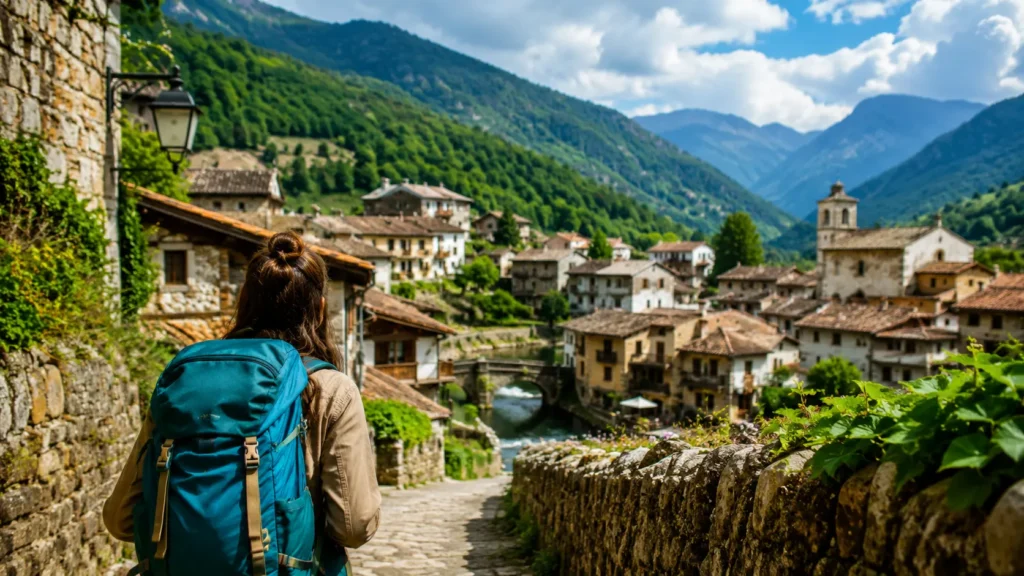
The travel mood has changed, and budget travel 2026 is no longer only about chasing the cheapest flight to the most crowded capital city. A new kind of trip is taking over, one that feels quieter, slower, cheaper, and honestly more human. Instead of fighting for a tiny corner of beach in an overbooked hotspot or paying inflated weekend prices in a famous city center, travelers are looking at smaller towns with walkable streets, family-run cafés, indie hostels, local markets, and landscapes that do not need a filter to feel cinematic. This shift is not just about saving money, even though that is obviously a big part of it. It is also about escaping the pressure of performative travel and finding places where a long weekend can still feel like a real adventure.
Why Small Towns Are Winning the Travel Moment
For years, budget travelers were told to follow one predictable formula: fly into a major city, book the cheapest dorm bed, eat from supermarkets, and squeeze as many landmarks as possible into three days. That formula still works in some places, but it has become harder as famous destinations get more expensive, more regulated, and more crowded. In 2026, the smarter move is often to land near a big city, then travel outward to a smaller town where accommodation, food, transport, and daily activities can stretch the same budget much further. These places may not always have the global name recognition of Paris, Tokyo, Barcelona, or New York, but that is exactly why they still feel breathable. The new travel flex is not proving that you went where everyone else went, but proving that you found somewhere better before the crowd arrived.
Small towns are also benefiting from a deeper change in how younger travelers define value. Value used to mean the lowest possible price, even if the experience felt rushed, uncomfortable, or forgettable. Now, value means spending less while getting more space, more local connection, better sleep, cleaner air, and an easier pace. A hostel in a smaller town can feel more personal than a massive city hostel where people check in, vanish, and never learn anyone’s name. A local guesthouse may include breakfast, bike storage, kitchen access, or free advice from someone who actually grew up in the area, which turns a basic stay into part of the story.
This is why small town travel is becoming a serious part of the backpacking conversation. It gives travelers the chance to build itineraries around rivers, forests, old neighborhoods, food trails, festivals, night markets, pottery villages, mountain roads, and coastal walks instead of only museums and shopping streets. It also opens the door for longer stays, because the cost of slowing down becomes more realistic. When a place is affordable enough to stay four nights instead of one, the trip starts to feel less like a checklist and more like a temporary life. That feeling is exactly what many travelers are chasing after years of packed feeds, packed airports, and packed city squares.
Budget Travel 2026 Is About Spending Smarter
Budget travel 2026 is not about being cheap in a miserable way. It is about understanding where money disappears and choosing destinations that do not punish travelers for wanting a simple, meaningful trip. In major tourist cities, the budget often gets eaten by airport transfers, city taxes, peak-season accommodation, attraction fees, reservation-only restaurants, and transport passes that seem small until they stack up. In smaller towns, the same traveler can often walk more, eat locally for less, and find activities that are free or low-cost because the destination itself is the experience. A morning hike, a community market, a lakeside sunset, or a self-guided old town walk can feel richer than another overpriced “must-see” stop.
The rise of small-town travel also changes the way people plan. Instead of starting with the most famous destination and then trying to force the budget to fit, travelers are starting with the budget and asking where it can create the best experience. That small mental switch is powerful because it puts control back in the traveler’s hands. It encourages flexibility with dates, routes, accommodation types, and even the meaning of a “dream trip.” A dream trip in 2026 might be a train ride to a mountain town, a hostel near a lake, three days of local food, and a borrowed bicycle instead of a luxury hotel in a capital city that leaves the bank account gasping.
There is also a practical reason this trend is growing: big-name destinations are increasingly complicated. Overtourism rules, higher visitor fees, timed-entry systems, accommodation restrictions, and rising short-stay costs are becoming normal in many popular places. Those changes may be necessary for local communities, but they also push budget travelers to look elsewhere. Smaller towns offer a way to travel without feeling like every step has a price tag or a queue attached to it. The result is a travel style that feels less like surviving a destination and more like actually being welcomed by it.
The Hostel Scene Is Changing With the Trend
Hostels are right at the center of this shift because they have always been more than just cheap beds. In a smaller town, a good hostel can become the social engine of the whole trip. It might be the place where travelers find hiking partners, split taxi costs, discover a local festival, or learn that the best dinner spot is not on any major travel app. Unlike huge city hostels that sometimes feel like airports with bunk beds, small-town hostels often have the time and space to create a real atmosphere. This is where hostel guides become more useful than ever, because choosing the right stay can shape the entire destination experience.
The best hostels for this moment are not necessarily the flashiest ones. Travelers are looking for clean rooms, secure lockers, decent kitchens, comfortable common areas, helpful staff, and a location that makes walking easy. They also care about whether the hostel connects them with local life rather than only selling the same packaged tours as everyone else. A hostel that can recommend a family bakery, a quiet viewpoint, a free swimming spot, or a local bus route suddenly has more value than a hotel with a nicer lobby. In a small town, information is currency, and hostels often hold the most useful version of it.
Private rooms inside hostels are also becoming more important. Many travelers still want the social energy of a hostel, but they no longer want to share a twelve-bed dorm every night of the trip. Small towns make this balance easier because private rooms can be more affordable than in major cities, especially outside peak weekends. That means couples, remote workers, older backpackers, and first-time solo travelers can enjoy hostel culture without giving up privacy. It also means hostels in smaller destinations can attract a wider audience than the classic gap-year crowd, which makes the atmosphere more interesting and less predictable.
Why Dorm Beds Still Matter
Even with the rise of private rooms, dorm beds are not going away. For many people, dorms remain the gateway to travel because they keep costs low and make solo trips less intimidating. In small towns, dorm rooms can feel more relaxed because the hostel is usually not processing hundreds of guests every day. People are more likely to recognize each other at breakfast, share route tips, or form spontaneous plans for the afternoon. That simple social layer is one reason hostels remain essential to budget backpacking, even as the industry becomes more polished.
Small Towns Give Backpackers More Room to Breathe
Backpacking used to be associated with speed. See more cities, cross more borders, collect more stamps, and keep moving before the trip runs out. But the energy in 2026 feels different, especially among travelers who are tired of arriving exhausted and leaving with only blurry photos. Small towns naturally slow the pace because they invite wandering rather than rushing. There may be fewer blockbuster attractions, but there are more chances to notice details, like the way a street fills up at sunset, how locals use the public square, or which bakery sells out before noon.
This slower rhythm does not make the trip boring. In many cases, it makes the trip more memorable because the traveler becomes part of the daily pattern instead of floating above it. Spending three days in a small town can reveal more texture than spending one frantic day in a famous city. You learn where to get cheap coffee, which bus is always late, which viewpoint is best in the morning, and which restaurant serves the biggest portions without advertising itself online. These tiny discoveries are the kind of details that never show up on a generic itinerary but often become the stories people tell later.
Small towns also reduce decision fatigue. In huge cities, budget travelers can spend hours comparing neighborhoods, transport zones, attraction passes, food prices, and accommodation reviews. In a smaller destination, the options are fewer but often clearer. That can make travel feel less like a spreadsheet and more like a genuine escape. When the basic logistics are simple, travelers have more energy for the reason they left home in the first place.
The Rise of Near-Home Adventures
Another reason small towns are rising is the popularity of near-home trips. Not every affordable holiday needs a long-haul flight, a complicated visa plan, or a suitcase packed for three climates. Many travelers are rediscovering places a few hours away by bus, train, scooter, ferry, or shared car. This is especially important for students, young workers, freelancers, and families who want a reset but cannot spend half their budget just getting there. In 2026, the smart getaway may be closer than people think, and that closeness can make travel feel more spontaneous again.
Near-home travel also helps people take more frequent breaks instead of saving all their energy for one expensive annual trip. A two-night stay in a small town can refresh the mind without destroying the monthly budget. It can also support local businesses outside the usual tourism centers, which spreads spending more evenly. For hostels, cafés, bike rental shops, local guides, and small restaurants, this shift can bring a new wave of visitors who are curious, flexible, and more likely to return. That creates a healthier travel pattern than the boom-and-bust pressure often seen in overcrowded hotspots.
For backpackers, near-home trips are also a low-risk way to test gear, travel habits, and personal comfort zones. A first solo trip does not have to be a dramatic leap across the world. It can start with a cheap train ticket, one hostel booking, and a small town where everything is easy to navigate. That kind of trip builds confidence because the traveler learns how to pack light, read a local map, manage a daily budget, and talk to strangers without feeling completely overwhelmed. Over time, those small trips become training ground for bigger adventures.
How Small Towns Stretch a Travel Budget
The biggest advantage of small-town travel is how many costs become softer. Accommodation is usually the first win, especially when travelers avoid peak festivals or major holiday weekends. Food can also be cheaper because local restaurants are not always priced around tourist traffic, and market shopping becomes easier when the town is walkable. Transport costs may drop because travelers can explore on foot or by bike instead of relying on taxis, ride-hailing apps, or metro systems. Even entertainment changes, because a good viewpoint, swimming spot, trail, or street market can replace expensive ticketed attractions.
That does not mean every small town is automatically cheap. Some famous resort towns can be more expensive than big cities, especially when they depend heavily on seasonal tourism. The key is choosing towns with real local life, not just towns built entirely around visitors. A place with students, commuters, farmers, craftspeople, local families, or a working port will often have more affordable everyday options than a polished resort village. This is where research matters, because the best budget destinations are usually the ones that balance charm with normal daily prices.
Travelers should also look at the total cost, not just the nightly room rate. A hostel that is slightly more expensive but located near the bus station, supermarket, hiking trail, and town center may save more money than a cheaper bed outside the action. A town with free public beaches, low-cost museums, and reliable buses may be better than one with cheap rooms but expensive transfers. Budget planning becomes less stressful when the destination itself is designed around simple movement. In that sense, the cheapest trip is not always the one with the lowest booking price, but the one with the fewest surprise costs.
Backpacking Tips for Choosing the Right Small Town
Choosing the right small town starts with asking what kind of trip you actually want. Some travelers want nature, which means trails, lakes, mountains, beaches, waterfalls, or national parks within easy reach. Others want culture, which means old streets, local food, workshops, music, architecture, markets, or regional history. Some want pure rest, which means quiet accommodation, slow mornings, safe streets, and enough cafés to make doing nothing feel intentional. The best backpacking tips begin with honesty, because a destination is only affordable if it gives you the experience you came for without forcing you to spend extra to fix a bad fit.
Transport should be the next filter. A beautiful small town can become expensive if the only way to reach it is a private transfer or a rare taxi. Budget travelers should prioritize towns connected by regular buses, trains, ferries, or shared vans, especially if they are traveling without a car. It is also worth checking the last departure times, because missing the final bus can turn a cheap day trip into an unplanned overnight problem. Good transport is not the most glamorous part of travel planning, but it is often the difference between a smooth budget trip and a stressful one.
Accommodation depth matters too. If a town has only one hostel and it sells out, prices can jump quickly. If it has several hostels, guesthouses, homestays, and budget hotels, travelers have more flexibility and better chances of finding a fair rate. Reviews should be read carefully, not just for cleanliness but for location, noise, kitchen access, staff knowledge, and social atmosphere. A cheap bed in a cold, isolated, badly managed hostel can drain the joy from a trip faster than most people expect.
Look for Local Rhythm, Not Just Pretty Photos
Photos can make almost any town look dreamy, but they do not always reveal whether the place works for budget travelers. A destination may have beautiful buildings but no affordable food after sunset, or amazing nature but no public transport to reach it. Before booking, travelers should look for signs of everyday life, such as markets, bakeries, schools, local buses, community events, and simple restaurants. These details suggest that the town is not only a backdrop for visitors but a living place with practical prices. That is usually where the best travel memories happen, because the trip feels grounded rather than staged.
What This Shift Means for Hostels
The small-town travel boom creates a major opportunity for hostels, but only if they understand what travelers want now. A bed is no longer enough, especially when travelers are comparing hostels, guesthouses, private rooms, cabins, and short-term rentals in the same search. Hostels need to become local connectors, not just accommodation providers. They can do this by offering clear transport advice, community dinners, walking maps, volunteer links, bike rentals, laundry options, and honest recommendations that help guests spend wisely. When a hostel becomes the easiest way to understand a town, it becomes part of the destination’s value.
Design also matters, but not in the fake luxury way that makes hostels lose their soul. Travelers appreciate good lighting, quiet sleeping areas, privacy curtains, power outlets, secure storage, clean bathrooms, and a kitchen that actually works. They also want common spaces that make conversation feel natural instead of awkward. In a small town, a simple courtyard, rooftop, shared table, or fireplace can become the heart of the trip. The goal is not to copy boutique hotels, but to make budget accommodation feel thoughtful, safe, and socially alive.
Hostels that serve this new wave well can also support local communities more directly. They can partner with nearby food stalls, guides, farms, artists, transport providers, and independent cafés rather than sending every guest to the same global platforms. This keeps more money in the town and gives travelers a richer experience. It also helps hostels stand out because their recommendations feel specific, not copy-pasted. In 2026, the best hostel brands will be the ones that know how to make a smaller destination feel easy to enter without turning it into another crowded trend machine.
The Social Side of Small-Town Travel
One underrated reason travelers love smaller destinations is that social connection can happen more naturally. In a big city, everyone scatters after breakfast because there are too many options and too little time. In a small town, people often end up on the same trail, at the same market, or on the same sunset viewpoint. That repetition makes it easier to talk without forcing it. For solo travelers, this can turn a quiet destination into one of the most social stops on the whole route.
The social side is not only about meeting other travelers. It is also about having more respectful contact with local people. When visitors stay longer and move slower, they are more likely to learn basic greetings, understand local habits, return to the same café, and notice how the town actually works. That does not magically make tourism perfect, but it can make it less extractive and more thoughtful. A traveler who spends money across local businesses and respects the pace of the place is very different from a traveler who arrives for one photo and leaves trash behind.
This is where small-town travel can feel emotionally different from classic bucket-list tourism. The memories are not always dramatic, but they are often warmer. It might be the hostel owner drawing a map by hand, a local vendor remembering your order, a stranger pointing you toward the better trail, or a group of backpackers cooking dinner together because the restaurants closed early. These moments are small, but they are exactly what many people miss when travel becomes too optimized. The best trips are rarely perfect; they are textured, specific, and alive.
The Downsides Travelers Should Not Ignore
Small-town travel is exciting, but it should not be romanticized too much. Some places have limited healthcare access, fewer late-night transport options, weaker internet, language barriers, seasonal closures, and less tourism infrastructure than visitors expect. That can be part of the charm, but it can also create real problems if travelers arrive unprepared. Budget travelers should check basic logistics before booking, especially if they plan to work remotely, travel without a car, or arrive late at night. A cheap destination stops feeling cheap when one missed bus forces a private transfer across the region.
There is also the risk that small towns become the next overcrowded trend if travelers treat them carelessly. A place that feels peaceful today can change quickly when too many visitors arrive without respect for housing, noise, waste, and local culture. Budget travel should not mean taking as much as possible while giving back as little as possible. The more people explore lesser-known destinations, the more important it becomes to travel with awareness. Spending locally, following rules, reducing waste, and respecting residential areas are not optional extras; they are part of being allowed into someone else’s home.
Travelers also need to be careful with social media. A single viral post can send crowds to a fragile viewpoint, village, or beach before the place is ready. It is fine to share beautiful places, but it is worth thinking about how much detail to reveal and whether the destination can handle sudden attention. The future of affordable travel depends on not destroying the quiet alternatives that made it appealing in the first place. Small towns can offer better travel, but only if visitors do not turn them into the same pressure cooker they were trying to escape.
How to Build a Small-Town Budget Itinerary
A strong small-town itinerary usually starts with one anchor destination and two flexible side options. The anchor is the place where you sleep, unpack, and get comfortable. The side options can be nearby villages, beaches, trails, farms, or historical sites that are easy to reach without overspending. This structure keeps the trip relaxed while still giving it variety. It also protects the budget because you are not constantly changing accommodation, paying transfer costs, or losing time to complicated movement.
Food planning is another underrated part of the itinerary. In smaller towns, the best meals are often found early, locally, and simply. Markets may be strongest in the morning, bakeries may sell out before lunch, and family restaurants may close between service times. A traveler who adapts to the town’s rhythm will eat better and spend less than someone who expects big-city convenience. Hostel kitchens can also help, especially when local produce is cheap and the common room turns dinner into a social moment.
For activities, the best approach is to mix one paid experience with several free or low-cost ones. A guided hike, cooking class, bike tour, pottery workshop, or local boat trip can be worth the money when it connects travelers to the place. Around that, the itinerary can stay simple with walks, viewpoints, public beaches, markets, temples, churches, parks, or neighborhood wandering. This balance keeps spending intentional instead of random. It also makes the trip feel less like a bargain hunt and more like a well-designed experience.
Why Gen Z Travelers Are Driving the Shift
Gen Z travelers are a big part of this movement because they are practical, online, price-aware, and allergic to travel that feels fake. Many of them grew up seeing the same destinations repeated endlessly on social media, which made famous places feel both desirable and strangely overexposed. At the same time, rising living costs have made financial flexibility more important. A small-town trip offers the chance to travel without pretending money does not matter. It also gives younger travelers the kind of authentic, slightly offbeat experience that feels more personal than copying someone else’s itinerary.
This generation is also comfortable building trips from scattered information. They might find a town through a short video, check hostel reviews, compare bus routes, scan map comments, read local blogs, and ask online communities before booking. That research style makes lesser-known destinations easier to discover. It also means small towns do not need massive advertising budgets to attract curious travelers. If the experience is good, the internet will carry the story quickly.
Still, Gen Z is not the only group moving this way. Families are looking for cheaper breaks, remote workers are testing slower bases, older travelers are choosing comfort over chaos, and couples are swapping crowded capitals for relaxed regional stays. The small-town shift is bigger than one demographic because the reasons behind it are universal. People want travel that feels affordable, safe, meaningful, and less exhausting. That combination is exactly why the trend has room to grow beyond 2026.
Conclusion: Small Towns Are the New Budget Map
The rise of small-town holidays shows that budget travel 2026 is becoming more thoughtful, not less ambitious. Travelers are still chasing beauty, freedom, food, friendship, and surprise, but they are no longer convinced that the most famous destination always delivers the best version of those things. Smaller towns offer a different promise: more room, lower pressure, deeper local texture, and a budget that can stretch without making the trip feel empty. They are not a backup plan for people who cannot afford the “real” destination. Increasingly, they are the destination.
For backpackers, hostel lovers, and anyone trying to travel well without overspending, this shift opens a better way forward. The smartest trips in 2026 may be built around regional trains, quiet hostels, market breakfasts, local buses, scenic walks, and towns that still have space for curiosity. The goal is not to avoid famous places forever, because major cities and iconic landmarks still have their magic. The goal is to stop assuming they are the only places worth saving for. When travelers widen the map, budget travel 2026 becomes less about compromise and more about discovery.