
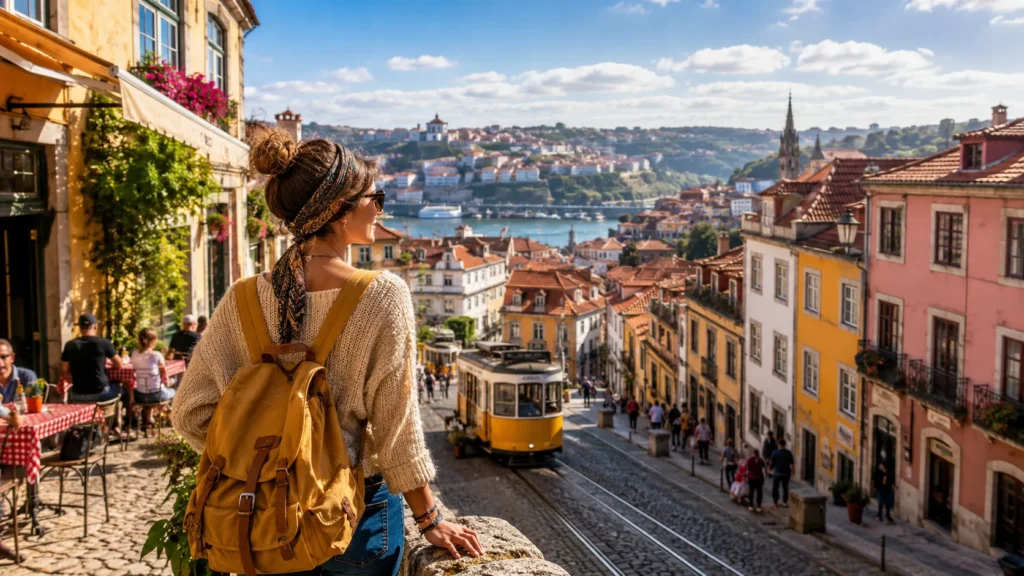
For years, Paris sat at the top of the European weekend fantasy, all balcony breakfasts, museum queues, late-night walks, and train-station arrivals that felt straight out of a film. But in 2026, the mood around short-haul travel is changing fast, and affordable European city breaks are suddenly becoming the smarter flex for travelers who want culture without watching their entire budget vanish by Sunday night. The old dream is not dead, but it is being edited by a new generation that checks hostel prices before flight times, compares tram passes before restaurant menus, and would rather spend four days discovering Sarajevo, Tirana, Bucharest, or Valencia than burn the same money on one expensive dinner near a famous landmark. This shift is not just about saving cash, either, because younger travelers are also chasing cities that feel less staged, less crowded, and more open to spontaneous discovery. In that sense, the new city break is not anti-Paris; it is simply more curious, more practical, and way less obsessed with following the same postcard route everyone else has already posted.
Why the Classic Paris Weekend Feels Different Now
Paris will always have its pull, and pretending otherwise would be silly because the city still carries a cultural weight that few places can match. The problem is that the traditional Paris weekend now comes with a sharper financial reality, especially for students, solo backpackers, remote workers, and young couples trying to keep a trip under control. Accommodation costs can rise quickly, central meals are rarely casual on the wallet, and even simple extras like coffee, luggage storage, museum entries, and late-night rides can stack up before the traveler has properly settled in. When a two-night trip starts feeling like a luxury purchase, the emotional appeal gets mixed with budget anxiety, and that changes how people plan. Travelers still want beauty, history, food, and street life, but they are increasingly asking whether the same weekend energy exists somewhere cheaper, calmer, and easier to navigate.
The answer, increasingly, is yes, and that is where the new map of European city breaks begins. Cities across the Balkans, Central Europe, the Baltics, and parts of the Mediterranean are stepping into the spotlight because they offer the core ingredients of a great short trip without demanding premium-city spending. A traveler can wake up in a hostel dorm, join a free walking tour, eat something local for lunch, take public transport across town, and still have enough left for a museum, a viewpoint, or a riverside drink at night. That rhythm matters because the best city breaks are not only about what you see, but how free you feel while moving through a place. When every decision does not trigger a mental budget alarm, the trip becomes more relaxed, and the city has more room to surprise you.
Affordable European City Breaks Are the New Travel Flex
The rise of affordable European city breaks says a lot about how travel culture has changed since the old checklist era. Younger travelers are less impressed by status destinations if the experience feels overpriced, overcrowded, or overly polished for tourists. They still care about atmosphere, but they want atmosphere that feels lived-in, not packaged for one viral angle. That is why cities like Sarajevo, Tirana, Belgrade, Bucharest, Sofia, Krakow, Porto, and Riga are finding new audiences among people who want more value and fewer crowds. The appeal is not that these places are “cheap” in a flat or dismissive way, but that they stretch a travel budget into something bigger, warmer, and often more memorable.
There is also a social side to this shift, and hostels sit right in the middle of it. In expensive capitals, hostel dorms can sometimes feel like emergency budget solutions rather than part of the experience, but in more affordable cities they often become the center of the trip. Travelers can choose better-rated hostels, stay closer to the old town or nightlife district, and spend more time joining group dinners, walking tours, pub crawls, day trips, or coworking sessions. For readers who plan trips around value first, budget travel guides are becoming less about sacrifice and more about smarter destination choices. The new flex is not saying you spent the most; it is saying you found the place where your money actually unlocked a better weekend.
The Cities Quietly Taking Paris’ Weekend Crowd
Sarajevo is a perfect example of how a city can feel emotionally huge while staying manageable for a short break. It has old streets layered with Ottoman, Austro-Hungarian, Yugoslav, and modern influences, which gives the city a depth that hits differently from more obvious European capitals. A traveler can move from coffee rituals to hillside views, from market lanes to museums, and from quiet courtyards to nightlife without needing an aggressive itinerary. The city works especially well for backpackers because food, transport, and hostel stays can remain realistic even when the trip includes several paid experiences. More importantly, Sarajevo gives visitors a sense of place that does not feel copied from anywhere else, which is exactly what many travelers are craving after years of seeing the same destinations dominate every list.
Tirana is another city that has moved from “maybe someday” to “why not now” for budget-conscious travelers. Albania’s beaches have already pulled more attention toward the country, but Tirana itself is becoming a smart base for people who want color, energy, food, mountain access, and nightlife without the prices of Western Europe. The city is not polished in the way some classic capitals are, and that is part of its charm because it feels active, imperfect, youthful, and still changing in real time. For a weekend visitor, that means cafe culture, street art, wide squares, museums, bunker history, and quick escapes toward nature can all fit into one compact trip. It is the kind of destination where travelers often arrive with modest expectations and leave wondering why they did not go earlier.
Bucharest, meanwhile, has been quietly building a case as one of Europe’s most underrated city breaks. It offers grand architecture, leafy parks, strong nightlife, good-value food, and a layered urban identity that rewards slow wandering. Travelers who only know the city through old clichés are often surprised by how many moods it carries, from elegant boulevards to brutalist blocks, from creative neighborhoods to late-night bars that feel built for long conversations. Because prices can still be softer than in Europe’s biggest tourist capitals, a weekend in Bucharest can include more than just survival spending. That extra breathing room allows travelers to book a better hostel, try local dishes without panic, and maybe add a day trip or wellness stop without blowing the budget.
Central Europe Still Has Smart Weekend Energy
Central Europe is not exactly hidden anymore, but it still holds plenty of strong options for travelers trying to dodge premium prices. Krakow remains a classic for backpackers because it combines walkable streets, lively hostels, history, nightlife, and day-trip potential in a way that feels easy to plan. Bratislava works well for travelers who want a smaller, calmer city that can pair with Vienna or Budapest without copying either one. Brno, Wroclaw, and Ljubljana also appeal to visitors who want enough culture for a full weekend without the pressure of a mega-capital itinerary. These cities prove that a great city break does not need to be huge, because sometimes the best weekend is the one where everything important feels close enough to reach on foot.
The advantage of these cities is rhythm, because a traveler can spend less time commuting and more time actually experiencing the place. Instead of racing between famous monuments, the weekend can be built around morning markets, neighborhood cafes, low-cost galleries, riverside walks, and hostel conversations that turn into unexpected plans. This kind of trip is especially appealing to solo travelers, who often need destinations that feel easy to enter socially and logistically. A smaller city with a strong hostel scene can feel more welcoming than a glamorous capital where everyone is rushing and every table feels booked. That is why budget city breaks in Europe are increasingly measured not only by price, but by how naturally the destination helps travelers connect.
Why Hostels Are Winning the City Break Moment
The hostel scene has changed a lot from the old stereotype of squeaky bunks, chaotic kitchens, and one sad locker under the bed. Modern hostels are now one of the main reasons affordable European city breaks feel so appealing to Gen Z and millennial travelers. Many properties blend dorms, private rooms, coworking corners, social kitchens, organized events, luggage storage, and design-forward common areas that look closer to boutique hotels than backpacker crash pads. This matters because travelers are no longer choosing hostels only because they cannot afford hotels. They are choosing them because hostels offer instant social context, practical advice, neighborhood knowledge, and a softer landing in unfamiliar cities.
That social layer becomes even more valuable on short trips, where time is limited and bad planning can waste half the weekend. A good hostel can tell travelers which tram pass to buy, which local food spots are not tourist traps, which neighborhoods are fun after dark, and which day trips are actually worth the early alarm. It can also turn a solo trip into a shared experience within hours, especially when the hostel runs walking tours, family dinners, bar nights, or small-group outings. In expensive destinations, travelers may spend so much on the bed that they cut back on experiences, but in cheaper cities, the hostel becomes a launchpad rather than a compromise. For Adopt a Hostel readers, that difference is huge because the right accommodation can shape the whole story of a weekend.
Private Rooms Are Changing Hostel Culture
Another reason hostels are pulling in more city-break travelers is the rise of private rooms inside social properties. Not every traveler wants a dorm every night, especially after a delayed flight, a long bus ride, or a packed day of sightseeing. Private rooms let people keep the social benefits of hostel life while getting better sleep, privacy, and space to reset. This format works especially well for couples, older backpackers, digital nomads, and friends who want budget structure without giving up comfort completely. In many emerging city-break destinations, a private hostel room can still cost less than a basic hotel room in Paris, Amsterdam, or London, which makes the value argument even stronger.
The private-room trend also reflects a bigger truth about modern budget travel: people are not trying to suffer for the story anymore. They still want adventure, but they also want clean bathrooms, safe storage, good Wi-Fi, walkable locations, and a bed that does not wreck the next morning. This does not make them less authentic as travelers; it simply means they are more intentional about where their energy goes. Instead of romanticizing discomfort, they are choosing destinations where comfort and affordability can exist together. That mindset is helping smaller European cities win because they can deliver better accommodation value without stripping away the sense of discovery.
How Budget Airlines and Trains Are Redrawing the Map
Transport is a major reason the city-break map keeps shifting away from the same traditional capitals. Budget airlines still make spontaneous-looking weekends possible, even when the planning behind them is extremely strategic. Travelers watch fare drops, fly with personal-item luggage only, avoid peak departure times, and build trips around whichever city becomes affordable first. At the same time, train routes and cross-border rail connections are making secondary cities feel less isolated, especially for travelers already moving around Europe. When a city becomes easier to reach and cheaper to sleep in, it quickly becomes more interesting to backpackers who care about value.
The smartest travelers now compare the full cost of a trip instead of only the flight price. A cheap flight to an expensive capital can still become a costly weekend if the airport transfer is high, dorm beds are inflated, food is pricey, and local transport requires multiple passes. By contrast, a slightly higher fare to a cheaper city may deliver better value once the traveler adds up meals, accommodation, museums, transport, and nightlife. This is where many alternative cities beat Paris on practical terms. The destination does not need to be the absolute cheapest on the flight search page; it needs to be affordable across the whole weekend.
The New City Break Formula for Backpackers
The new formula for backpackers is simple, but it requires a different way of thinking. Instead of asking which famous city should be visited next, travelers ask which city offers the best mix of access, hostel quality, walkability, food value, culture, and social energy. This puts places like Porto, Valencia, Ljubljana, Gdansk, Vilnius, Thessaloniki, and Bologna in a stronger position, even when they are not always the cheapest in every category. These cities offer enough personality to fill a weekend without forcing visitors into a high-cost tourist loop. For short trips, that balance often matters more than having the longest list of world-famous landmarks.
A good backpacker city break also needs frictionless movement. If the airport is far away, the public transport is confusing, or the main attractions are spread across expensive zones, the weekend can start to feel like work. Cities with compact centers, reliable trams, affordable buses, and walkable neighborhoods create a better rhythm for people traveling light. That is why old-town cities, university cities, and smaller capitals often outperform bigger names for quick trips. They make it easier to arrive, drop a bag, join the street life, and feel oriented before the first evening is gone.
- Choose total value over flight price: the cheapest ticket is not always the cheapest trip.
- Book hostels by neighborhood: a central location can save money on late-night transport.
- Travel with one small bag: avoiding luggage fees keeps budget airline deals real.
- Use free walking tours wisely: they are ideal first-day orientation tools when tipped fairly.
- Eat local at lunch: set menus and market meals often beat tourist-district dinners.
These habits may sound basic, but they create the difference between a trip that feels controlled and one that quietly drains your card. The best budget travelers are not necessarily the ones who spend the least on every item, because extreme saving can make a short break stressful and joyless. Instead, they spend selectively, choosing one or two paid experiences that matter while keeping everyday costs low through smarter city choices. That is why a cheaper destination can feel more generous than a famous one. It gives travelers permission to say yes more often without losing track of the budget.
Food, Nightlife, and Local Culture Matter More Than Monuments
One reason alternative city breaks are thriving is that travel storytelling has moved beyond monuments. A landmark still matters, of course, but younger travelers often remember the bakery they found by accident, the hostel kitchen conversation that turned into a night out, or the neighborhood bar where the playlist made the city feel instantly familiar. Food and nightlife are especially important because they shape the emotional texture of a short trip. In cities where everyday prices are lower, visitors can explore more casually, trying local dishes, coffee spots, markets, and late-night snacks without treating every meal like a financial decision. That freedom creates a stronger connection to the destination because the traveler participates in local rhythm instead of only observing it.
This is where cities like Belgrade, Thessaloniki, Valencia, and Porto stand out. They have strong street life, late meals, casual social spaces, and enough cultural identity to feel distinct from the usual weekend circuit. Travelers do not need to chase luxury restaurants or exclusive bars to feel like something is happening around them. A cheap bakery breakfast, a public square at sunset, a local tram ride, or a waterfront walk can become the highlight if the city has the right atmosphere. For budget travelers, that kind of low-cost richness is more valuable than another expensive queue outside an attraction they feel obligated to visit.
Overtourism Is Pushing Travelers Toward Smaller Cities
The shift away from classic capitals is not only about money; it is also about space. Popular European cities have been dealing with intense visitor pressure, and travelers can feel that tension through crowded streets, booked-out restaurants, rising accommodation prices, and neighborhoods that seem built more for visitors than residents. For some people, that buzz is part of the appeal, but for others it makes the weekend feel less personal. Smaller or less-hyped cities offer a different pace, one where visitors can walk without constantly dodging tour groups and where local life still feels visible. This makes the experience feel more relaxed, even when the destination is far from sleepy.
There is also a sustainability angle that many travelers now consider, even if budget remains the main decision-maker. Spreading trips beyond the most crowded capitals can reduce pressure on overvisited neighborhoods and bring tourism money to cities that are actively trying to grow their visitor economy. Of course, no destination is immune to over-tourism if hype moves too quickly, and responsible travel still matters everywhere. But choosing an alternative city can be a small step toward a healthier travel pattern, especially when visitors stay in locally connected hostels, respect residential areas, and spend money beyond the most obvious tourist streets. The future of European backpacking trips may depend on travelers being more curious and less repetitive with their route choices.
How to Pick the Right Alternative to Paris
Choosing an alternative to Paris does not mean picking a random cheap city and hoping the vibe works. The best approach is to understand what part of the Paris fantasy you actually wanted, then match that feeling with a destination that fits your budget better. If you wanted cafe culture, Porto, Vienna’s cheaper outer neighborhoods, Ljubljana, or Zagreb might work depending on your route and season. If you wanted art and architecture, Krakow, Bucharest, Bologna, or Antwerp can give you plenty to explore without the same level of pressure. If you wanted romance, riverside walks, old streets, and long dinners, cities like Sarajevo, Valencia, Gdansk, and Ljubljana can deliver that mood in a more affordable frame.
Season matters too, because a city that feels like a bargain in March can become more expensive in August, especially when festivals, school holidays, or major events hit. Shoulder season remains one of the best tools for budget travelers because it can lower prices while keeping the weather comfortable enough for walking-heavy itineraries. Spring and autumn also make smaller cities shine because travelers can enjoy outdoor squares, parks, viewpoints, and terraces without the exhausting heat or peak-season crowds. Winter can be excellent for museum-focused trips, Christmas markets, and cozy cafe culture, though daylight hours and weather need more planning. The main rule is to stop treating “Europe” as one price category, because timing and city choice can completely change the cost of the same weekend.
Match the City to Your Travel Personality
Not every affordable city break fits every traveler, and that is actually a good thing. Some backpackers want nightlife first, so they should look at places with strong hostel circuits, late bars, student populations, and easy night transport. Others want quiet walks, architecture, and low-key cafes, which makes smaller capitals and university towns a better fit. Food-focused travelers should research local markets, street food, bakeries, and casual restaurants before booking, because a cheap destination becomes even better when the everyday food scene is strong. The more honestly a traveler matches the destination to their real habits, the less likely they are to waste money copying someone else’s perfect weekend.
This is also why social media can be useful but dangerous for planning. A city may look dreamy in a thirty-second video, but that does not reveal airport distance, hostel quality, safety at night, public transport reliability, or whether the “hidden gem” is already crowded every weekend. Good planning means reading beyond the highlight reel and checking practical details that affect the actual trip. Budget travelers should compare dorm prices across neighborhoods, look at recent reviews, study transit maps, and check whether attractions require advance booking. Those small steps may not feel glamorous, but they protect the budget and help the weekend run smoothly.
The Impact on Paris and Europe’s Travel Culture
The rise of alternative city breaks does not mean Paris is losing its magic. It means travelers are becoming more confident about questioning old travel hierarchies. For decades, certain cities were treated as mandatory, almost like cultural checkpoints that proved someone had properly “done Europe.” Now, a backpacker can build a trip around Sarajevo, Tirana, Porto, Sofia, or Riga and still come home with a rich story, strong photos, new friends, and a deeper sense of the continent’s variety. That is a healthy change because Europe is not a short list of famous capitals; it is a messy, layered, multilingual collection of cities with different prices, histories, and rhythms.
For Paris, the shift may even be positive in the long run because it pushes the city away from being treated as a default weekend product. Travelers who still choose Paris may arrive with more intention, more time, or a bigger budget, rather than forcing the city into a rushed two-night itinerary that leaves them stressed. Meanwhile, travelers who choose alternatives can discover places that better match their current stage of life and financial reality. This creates a more honest travel culture, where the best destination is not the most famous one but the one that fits the traveler’s energy, budget, and curiosity. In that sense, the city-break scene is not shrinking; it is becoming wider and more interesting.
What This Means for Hostel Travelers in 2026
For hostel travelers, 2026 is shaping up to be a year of smarter routes and more flexible expectations. The best trips may come from mixing one famous city with two underrated ones, or skipping the famous stop entirely and building a loop around cheaper capitals. A traveler might fly into Vienna but sleep in Bratislava, visit the Adriatic but base in Tirana, or explore the Balkans through Sarajevo and Belgrade instead of defaulting to Western Europe. These routes are not only cheaper; they often feel more adventurous because they leave more room for discovery. The hostel scene supports this perfectly because backpackers can exchange tips in real time and adjust plans based on what other travelers just experienced.
This kind of flexible planning is becoming one of the most valuable backpacking skills. Instead of locking every hour before departure, travelers can book the first hostel, research the next two options, and let the trip evolve around weather, price changes, transport connections, and people they meet. That does not mean traveling carelessly, because safety, documents, insurance, and basic route planning still matter. It simply means leaving enough space for the best part of hostel travel: the unplanned recommendation that turns into a better story than the original itinerary. In a travel world where the obvious cities are increasingly expensive, flexibility becomes a real form of currency.
Conclusion: The Best City Break Is the One That Gives More Back
The old Paris weekend is not disappearing, but it no longer owns the idea of a dream European city break. Travelers are realizing that beauty, culture, nightlife, food, and memorable hostel moments can happen in cities that cost less, feel calmer, and offer more space to explore without pressure. That is why affordable European city breaks are becoming the new smart move for backpackers, students, solo travelers, and anyone tired of paying premium prices for crowded routes. The real story is not that one city is replacing another, but that the travel map is opening up to people who want better value and more original experiences. For the next generation of budget travelers, the best weekend in Europe might not be the one everyone recognizes instantly, but the one that gives more back than it takes from your wallet.