
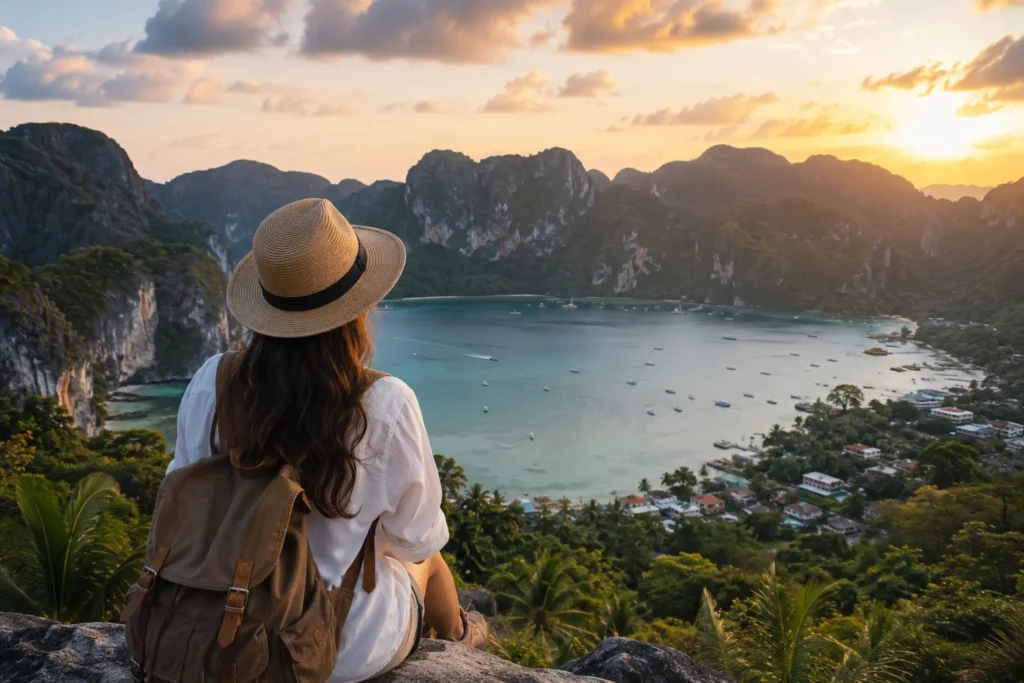
August has a reputation for being an expensive month to travel, especially when European school holidays, packed beaches, and peak-season airfare all collide at once. Yet the global backpacking map looks very different once you stop following the most advertised summer routes and start comparing dorm beds, local meals, public transport, seasonal weather, and the cost of everyday experiences. Some countries become surprisingly affordable because August falls within their rainy season, shoulder season, or quieter regional calendar, while others remain inexpensive simply because local travel costs are consistently low. This ranking of the cheapest backpacking countries in August is built for travelers who care about the full daily budget rather than a suspiciously cheap flight followed by ten days of overpriced everything. The real winners are destinations where a backpacker can sleep comfortably, eat properly, move between cities, and still have enough left for the experiences that made the journey worth taking.
There is one important detail before the ranking begins: cheap does not mean identical. A traveler who books air-conditioned private rooms, joins organized tours every morning, and orders Western food every evening will spend far more than someone using dormitories, buses, local cafés, and independent walking routes. Weather also matters in August, because a low daily budget means little when landslides, extreme heat, ferry cancellations, or heavy rain repeatedly destroy the plan. For that reason, this list balances affordability with how realistically enjoyable each country can be during the month. The estimated budgets are best understood as practical backpacker ranges rather than promises carved into stone, since prices change by city, weekend, festival, exchange rate, and booking date. What follows is therefore not just a scoreboard, but a route-planning guide for making an August adventure feel spontaneous without making the bank account look tragic.
How the August Backpacking Ranking Works
The ranking compares four expenses that shape almost every backpacking day: a hostel dorm bed, three simple local meals, ordinary public transportation, and a modest allowance for attractions or social activities. International flights are excluded because the cost of reaching a country depends heavily on where the traveler begins, which airline is used, and how early the ticket is booked. Instead, the focus stays on what happens after arrival, when the traveler begins paying for accommodation, food, buses, trains, laundry, water, entry tickets, and the occasional drink with new hostel friends. Countries with an estimated backpacker budget below roughly $35 per day naturally perform well, but seasonal practicality can move them higher or lower. This approach gives more weight to destinations where affordable independent travel remains possible across several regions rather than in one isolated bargain city.
August conditions are treated as part of the cost because weather can quietly turn a cheap itinerary into an expensive one. Heavy monsoon rain may lead to emergency taxis, last-minute hotel changes, or abandoned reservations, while summer crowds can cause the cheapest dormitories to sell out days earlier than expected. On the other hand, a rainy season can reduce room prices and visitor numbers without making travel impossible, particularly when storms arrive in short bursts rather than lasting all day. Mountain destinations may offer excellent hiking weather but require warmer clothing, park permits, or shared transport to remote trailheads. The ranking therefore rewards countries where flexible travelers can use August’s seasonal quirks to their advantage instead of constantly paying to escape them.
1. Vietnam: The Best Overall Budget Winner
Vietnam takes the top position because it combines very low daily costs with one of the strongest backpacking infrastructures in Asia. A careful traveler can often build a day around an inexpensive dormitory, filling street-food meals, local coffee, and public transportation without feeling as though every decision is a sacrifice. Hanoi, Da Nang, Hue, Ninh Binh, and Ho Chi Minh City all offer large numbers of hostels, which keeps competition strong and gives travelers more choices than they would find in less established budget destinations. Long-distance buses and trains also make it possible to connect major stops without buying flights, although overnight journeys are best booked through reputable operators rather than selected only by price. A realistic backpacker budget sits around $20 to $30 per day, with the lower end most achievable for slow travelers who stay several nights in each place.
August requires smart route selection because Vietnam’s long geography produces different weather patterns across the country. Central areas may provide better beach opportunities than parts of the north or south, while tropical downpours elsewhere can be intense but brief enough to plan around. The advantage is that rain often softens demand, making accommodation more available than it would be during the driest and most popular months. Food remains the country’s strongest budget weapon, since bowls of noodles, rice dishes, bánh mì, fresh fruit, and iced coffee can fill an entire day without approaching Western restaurant prices. Vietnam wins not because it is the absolute cheapest in every individual category, but because it delivers the most complete low-cost experience with culture, landscapes, nightlife, transport, and an easy social scene.
2. Nepal: Huge Adventures on a Tiny Budget
Nepal remains one of the most affordable countries for travelers who value mountains, ancient neighborhoods, and long conversations over polished luxury. Kathmandu and Pokhara are packed with guesthouses and hostels aimed at independent travelers, making it possible to find inexpensive beds even when booking close to arrival. Dal bhat, momos, noodle soups, and local breakfasts offer dependable value, while buses connect the country’s major tourism hubs for far less than private transfers. A disciplined backpacker may spend around $20 to $30 per day before adding major trekking permits, guides, equipment rental, or domestic flights. The country becomes especially affordable for travelers who use the cities as cultural destinations rather than treating every day as preparation for a premium Himalayan expedition.
The catch is that August sits inside Nepal’s monsoon season, so this is not the month for blindly copying a classic high-altitude itinerary from a dry-season guide. Rain can disrupt roads, obscure mountain views, create leeches on trails, and make certain trekking areas less comfortable or less safe. However, the season also brings intensely green landscapes, fewer tourists, and lower pressure on accommodation in popular cities. Travelers who remain flexible can explore heritage sites, cafés, monasteries, workshops, and lower-risk regional routes while monitoring local conditions carefully. Nepal ranks second because the everyday value is extraordinary, but its August weather demands more patience and better judgment than Vietnam.
3. Laos: Slow Travel Still Costs Less
Laos is built for the kind of backpacker who would rather spend four days beside a river than race through four cities for social media proof. Dorm beds and simple guesthouses remain affordable in places such as Luang Prabang, Vang Vieng, and the capital, while local noodle soups, sticky rice, grilled foods, and market snacks keep meal costs manageable. The expanding rail network has changed how travelers move through parts of the country, although buses and shared vans still matter for destinations beyond the main line. A basic daily budget of around $22 to $32 is possible when activities are chosen selectively and transportation is booked without expensive private upgrades. Laos feels inexpensive not only because prices are low, but also because its slower rhythm reduces the pressure to buy something every hour.
August brings lush scenery and heavy rain, which creates both the month’s most beautiful images and its biggest logistical headaches. Waterfalls can look spectacular, rice fields glow green, and popular backpacking towns may feel calmer than they do in peak season. At the same time, rural roads can become difficult, outdoor excursions may be delayed, and river conditions can change quickly after storms. Travelers should avoid building an itinerary around tight same-day connections and should keep a small financial buffer for transport adjustments. Laos earns third place because it offers one of Southeast Asia’s best combinations of affordability, social hostels, nature, and genuine slow travel, provided the rain is treated as part of the journey rather than an interruption to it.
4. Bolivia: South America’s Budget Powerhouse
Bolivia is the strongest South American entry because local food, buses, accommodation, and everyday services can remain remarkably inexpensive. La Paz offers markets, cable-car views, museums, nightlife, and easy access to dramatic landscapes, while Sucre provides a calmer colonial base with language schools and long-stay appeal. Budget meals are widely available, dormitories remain competitive, and long-distance bus travel can cover huge stretches of the country at prices that feel modest compared with neighboring destinations. Backpackers who avoid constant organized excursions may manage on approximately $25 to $35 per day. The famous Uyuni salt flats and specialist adventure tours raise the average, but they can be treated as occasional highlights rather than daily expenses.
August is part of Bolivia’s dry season, which is a major reason the country ranks so highly despite being farther from many international flight hubs. Roads and outdoor routes are generally more dependable than during the wettest months, and clear skies can make high-altitude landscapes look almost unreal. Nights can be extremely cold, however, especially around Uyuni, the Altiplano, and elevated cities, so travelers need proper layers rather than assuming South America always means tropical heat. Altitude can also slow the first days of an itinerary, making gradual acclimatization more important than squeezing every attraction into the first morning. Bolivia combines favorable August conditions with low ground costs, giving budget travelers an unusually strong seasonal deal.
5. Cambodia: Easy, Social, and Consistently Cheap
Cambodia remains one of the easiest countries for first-time backpackers to understand financially. Phnom Penh, Siem Reap, Kampot, and several island gateways all have established hostel scenes, with options ranging from quiet dormitories to pool-focused social properties. Local meals are inexpensive, city transfers can be arranged easily, and shared buses connect the primary route without requiring complicated planning. A daily budget of around $23 to $33 is realistic before adding premium rooms, frequent cocktails, or multiple guided temple experiences. The largest single expense for many visitors is the Angkor archaeological complex, but the experience can be balanced by staying longer in Siem Reap and spreading accommodation costs across several days.
August falls within the wet season, yet that does not automatically make Cambodia a poor choice. Rain often arrives in dramatic periods rather than destroying every hour, and the countryside becomes greener than travelers who visit in the dry season may ever see it. Fewer visitors can make temples, riverside towns, and hostel common areas feel more relaxed, although island transfers and rural roads require extra caution. Humidity is intense, so cheap accommodation without decent ventilation can become a false economy that ruins sleep and drains energy. Cambodia takes fifth place because its backpacking route is affordable and approachable, but August travelers should pay a little more for a well-reviewed hostel with reliable cooling and a practical location.
6. Georgia: Europe Without Western European Prices
Georgia offers one of the clearest ways to experience a European-style backpacking journey without accepting Western Europe’s peak-summer prices. Tbilisi has energetic hostels, distinctive architecture, sulphur baths, late-night food, and an international traveler community that makes solo arrival feel straightforward. Kutaisi provides a cheaper entry point for some routes, while mountain regions add hiking, guesthouses, and shared transport to an itinerary that can quickly feel much bigger than the country’s map suggests. Travelers using dorms, bakeries, local restaurants, and marshrutka minibuses may spend around $28 to $40 per day. Georgia becomes even better value when people travel together, because taxis, apartments, and mountain transfers can be divided among several backpackers.
August is popular, particularly in the mountains and on the Black Sea coast, so Georgia is not as effortlessly cheap as it can be during quieter months. Batumi accommodation may rise, famous highland villages can fill up, and the best-reviewed hostels in Tbilisi should not be left until the final evening. Still, warm weather opens routes that are inaccessible or uncomfortable in winter, and hiking can provide days of entertainment for little more than food and transportation. Backpackers can protect the budget by spending less time in resort districts and more time in regional cities or community guesthouses. Anyone comparing affordable travel destinations in and around Europe should place Georgia near the top, especially when food, scenery, and cultural depth matter as much as the final number.
7. India: Maximum Variety for Minimal Spending
India could easily rank higher based on price alone, because dormitories, trains, street food, local restaurants, and city transport can be extremely inexpensive. The reason it sits at number seven is complexity rather than value. Distances are enormous, regional climates differ sharply, and the cheapest transport option is not always the most comfortable or sensible for a traveler with limited time. A budget of roughly $20 to $35 per day is possible across many backpacking routes, although major cities, private tours, domestic flights, and popular beach districts can increase that figure quickly. The country rewards travelers who choose one region and explore it deeply instead of trying to collect distant landmarks like stamps.
August is shaped by monsoon conditions across large areas, while some northern mountain regions follow different seasonal patterns. Rajasthan may feel hot and humid, coastal areas can receive heavy rain, and transportation delays become more likely when storms affect roads or railways. Conversely, landscapes turn green, waterfalls strengthen, and domestic tourism patterns may create opportunities away from the most obvious international backpacking circuit. Research matters because the phrase “India in August” is almost too broad to be useful without naming a state, altitude, and transport route. India remains a budget legend, but travelers should rank regional suitability above a generic list of famous places.
8. Albania: The Mediterranean Budget Alternative
Albania has moved from an under-the-radar Balkan stop to one of Europe’s most discussed summer destinations, and that popularity is beginning to affect prices. Even so, backpackers can still find better value than in many Mediterranean countries, especially when they move beyond the most photographed beach towns. Tirana has a growing hostel culture, Berat and Gjirokastër offer historic atmosphere, and northern mountain routes provide a completely different experience from the southern coast. A realistic August budget ranges from about $35 to $50 per day, making Albania more expensive than the Asian leaders but still attractive by European summer standards. Local bakeries, grills, buses, shared rooms, and free urban exploration can keep spending controlled.
The Albanian Riviera is the budget trap in August because beach demand pushes accommodation upward and reduces the chance of finding a great last-minute dorm. Sarandë and Ksamil can feel crowded, while transport along the coast becomes slower and less predictable as visitor numbers rise. Backpackers who want the sea should reserve early or choose less famous coastal bases rather than assuming every beach town remains a bargain. Another strategy is to combine a shorter coastal stay with longer stops in inland cities, where meals and rooms usually stretch the budget further. Albania ranks eighth because it delivers Mediterranean energy for less, but August requires planning rather than improvisation.
9. Kyrgyzstan: Cheap Mountains and Yurt Adventures
Kyrgyzstan is one of the most exciting choices for backpackers who want mountains to dominate the itinerary. Bishkek provides an affordable starting point, Karakol supports trekking routes around the east, and community-based tourism helps travelers find homestays, yurt camps, drivers, horses, and guides. Basic city expenses remain low, but remote adventures create a different spending pattern because transportation and organized support may cost more than food or accommodation. Independent backpackers might average $28 to $42 per day, while guided multi-day trips can push individual days well beyond that range. The best value appears when several travelers from a hostel form a group and split the cost of a vehicle or local guide.
August is one of the strongest months for exploring Kyrgyzstan because high mountain routes are generally more accessible than they are in colder seasons. Alpine lakes, jailoo pastures, and trekking paths become the main attraction, while nights at elevation can still feel surprisingly cold. Popular camps and transport connections may be busier, so the country is not completely empty despite its vast landscapes. Visitors should also remember that cheap urban travel and remote mountain travel are almost two separate products with different cost structures. Kyrgyzstan ranks ninth because August unlocks its greatest experiences, but the final budget depends on how far the traveler ventures beyond public transportation.
10. Indonesia: Affordable Beyond the Bali Bubble
Indonesia completes the ranking because August offers excellent weather across many popular islands, but that seasonal advantage brings higher demand. Bali can still be affordable compared with major Western destinations, yet its most famous districts no longer represent the ultra-cheap Southeast Asian fantasy that older guidebooks describe. Dorm beds, cafés, scooters, beach clubs, surf lessons, and app-based transport can accumulate rapidly, especially in Canggu, Seminyak, and central Ubud. Backpackers who explore Java, Sumatra, Lombok, or less commercial areas can reduce costs and find a more locally grounded experience. A practical budget ranges from about $28 to $45 per day, depending heavily on island choice and the number of ferries, flights, and paid activities involved.
August is dry and sunny in several major travel regions, which makes it ideal for volcano hikes, beach days, scooter routes, and inter-island movement. The downside is that international and domestic holiday demand can lift accommodation prices, particularly in Bali’s trendiest neighborhoods. Booking a hostel earlier than usual is sensible, but choosing solely by the cheapest advertised bed can lead to an inconvenient location that creates daily transport expenses. Travelers can use detailed hostel guides and neighborhood advice to compare whether a slightly more expensive central bed actually saves money overall. Indonesia takes the final spot because it offers huge variety and strong August conditions, although disciplined route selection is necessary to keep it among the cheapest options.
Why August Changes the Meaning of Cheap
A country may be inexpensive all year and still become poor value in August if the weather prevents travelers from doing what they came to do. Likewise, a destination with a slightly higher daily budget may deliver exceptional value when trails are open, public transport is reliable, and free outdoor experiences fill each day. Bolivia and Kyrgyzstan perform well because August supports their major landscapes, while Nepal, Laos, Cambodia, Vietnam, and India require greater flexibility around rain. Albania and Indonesia face a different challenge because good summer weather attracts crowds that compete for the same affordable rooms. The smartest ranking therefore depends on whether a traveler prefers dependable sunshine, quiet hostels, mountain access, cultural cities, or the lowest possible cost.
This is also why average daily budget figures should never be copied directly into a travel fund without adding a contingency. A $25 plan can collapse after one missed connection, one medical need, one damaged phone, or one festival weekend that doubles accommodation prices. A useful backpacking budget includes a daily target plus a separate emergency reserve that is not mentally available for drinks, upgrades, or impulse tours. Travel insurance, visa costs, vaccines, banking fees, and international flights should also sit outside the ground-budget estimate. Cheap travel works best when the traveler has enough financial space to make a safe decision even when that decision is not the cheapest one.
How to Keep an August Backpacking Budget Realistic
The first rule is to travel more slowly than the itinerary initially suggests. Every movement creates additional expenses, including station transfers, snacks, baggage storage, booking fees, and the temptation to pay extra because the cheapest connection leaves at an inconvenient hour. Staying four nights instead of two can unlock weekly hostel rates, reduce laundry stress, and create time for free activities that only become visible after the main attractions are finished. Slow travel is particularly useful during August storms because an indoor afternoon no longer feels like a lost day that must be replaced with an expensive backup plan. The traveler who moves less often usually sees more of ordinary life while spending less money to do it.
The second rule is to compare the hostel’s total value rather than the bed price shown in search results. Free breakfast, drinking-water refills, a usable kitchen, secure lockers, walking distance to the center, and honest transportation advice can save more than a cheaper dorm on the edge of town. Air conditioning also matters in humid destinations, while thick blankets and hot showers matter at altitude. Recent reviews should be checked for cleanliness, noise, bedbugs, construction, and whether advertised facilities actually operate during low season. Strong backpacking planning strategies treat accommodation as part of the transport, food, sleep, and social budget rather than as an isolated number.
The third rule is to build the route around regional weather instead of assuming an entire country experiences the same August conditions. Vietnam’s north, center, and south can feel different, just as India’s mountains, plains, deserts, and coasts cannot be reduced to one forecast. Mountain roads in Nepal or Laos may require more caution than city routes, while high-altitude nights in Bolivia and Kyrgyzstan demand clothing that beach travelers may not own. Checking local forecasts shortly before each transfer is more useful than trusting a seasonal chart saved months earlier. A flexible traveler can swap destinations, extend a safe stay, or move toward a drier region without turning the change into a crisis.
The Hidden Costs That Break Cheap Trips
Budget travel is often defeated by small repeated purchases rather than one dramatic disaster. Bottled drinks in tourist areas, daily withdrawal fees, app commissions, convenience-store snacks, laundry priced per item, and short taxi rides can quietly equal the cost of several hostel nights. Nightlife creates an even faster leak because inexpensive local drinks encourage travelers to stop tracking how many have been ordered. Renting scooters without understanding fuel policies, insurance exclusions, licensing rules, or damage scams can turn a cheap day into the most expensive moment of the trip. The goal is not to eliminate fun, but to notice which spending creates a lasting memory and which spending simply disappears because planning was weak.
Currency habits also matter in countries where prices are discussed in a mixture of local money, dollars, and online card conversions. Travelers should understand the approximate exchange rate, reject unfavorable dynamic currency conversion when appropriate, and withdraw larger sensible amounts instead of paying repeated fixed ATM charges. Cash should be divided between secure locations rather than carried in one wallet, while emergency access to a second card can prevent a minor banking problem from becoming a stranded-traveler story. Shared expenses need to be settled regularly because vague group accounting can create tension long after everyone forgets who bought the bus tickets. Good money systems are boring, but they protect the freedom that makes backpacking feel exciting.
Which Cheap Backpacking Country Fits You?
Vietnam is the clearest all-round choice for first-time backpackers who want inexpensive food, social hostels, varied cities, and an easy north-to-south route. Nepal suits travelers who enjoy slower cultural days and can adapt their plans to monsoon conditions, while Laos rewards people who do not need constant entertainment. Cambodia works well for a straightforward Southeast Asian trip with famous landmarks and a welcoming hostel circuit. Bolivia is the standout for dramatic dry-season landscapes, and Georgia offers the strongest balance for travelers determined to stay near Europe without paying classic Western European summer costs. Each destination can be cheap, but the best one is the place where the traveler’s natural interests already align with affordable activities.
Adventure-focused travelers may find Kyrgyzstan unbeatable even if mountain transport raises the average budget, because hiking and yurt experiences provide a depth that city-based cost comparisons cannot capture. India offers the greatest variety and possibly the lowest spending ceiling, but it asks for more preparation, patience, and regional research. Albania is ideal for backpackers who want Mediterranean towns and beaches but are willing to reserve August accommodation early. Indonesia is the strongest choice for reliable tropical summer weather, particularly for travelers prepared to look beyond Bali’s most expensive neighborhoods. The ranking should therefore be read as a starting point, not an instruction to ignore personality, climate tolerance, travel experience, or flight distance.
Final Verdict on the Cheapest August Trips
The cheapest backpacking countries in August prove that peak summer does not have to mean peak spending. Vietnam takes first place because its food, accommodation, transportation, and hostel network create the most dependable all-round value, while Nepal and Laos follow closely for travelers comfortable with monsoon flexibility. Bolivia deserves special attention because August offers both affordable ground costs and favorable conditions for its headline landscapes. Cambodia, Georgia, India, Albania, Kyrgyzstan, and Indonesia complete a ranking that stretches across several climates and travel styles rather than forcing every backpacker onto the same route. The best bargain is ultimately not the country with the smallest theoretical daily number, but the destination where the weather, transport, accommodation, and traveler’s interests work together.
A successful August trip begins with realistic expectations and enough flexibility to change direction when conditions shift. Book the most important hostel nights early, particularly in European beach towns and popular dry-season mountain hubs, but avoid locking every day into a nonrefundable schedule. Keep an emergency reserve separate, choose hostels by total value, eat where local routines make prices transparent, and slow the route down before cutting experiences that matter. When those habits are in place, a modest budget stops feeling like a restriction and starts functioning as a creative travel framework. August may be crowded, rainy, hot, or unpredictable, but in the right country it can still become the month when a small backpack carries someone much farther than expected.