
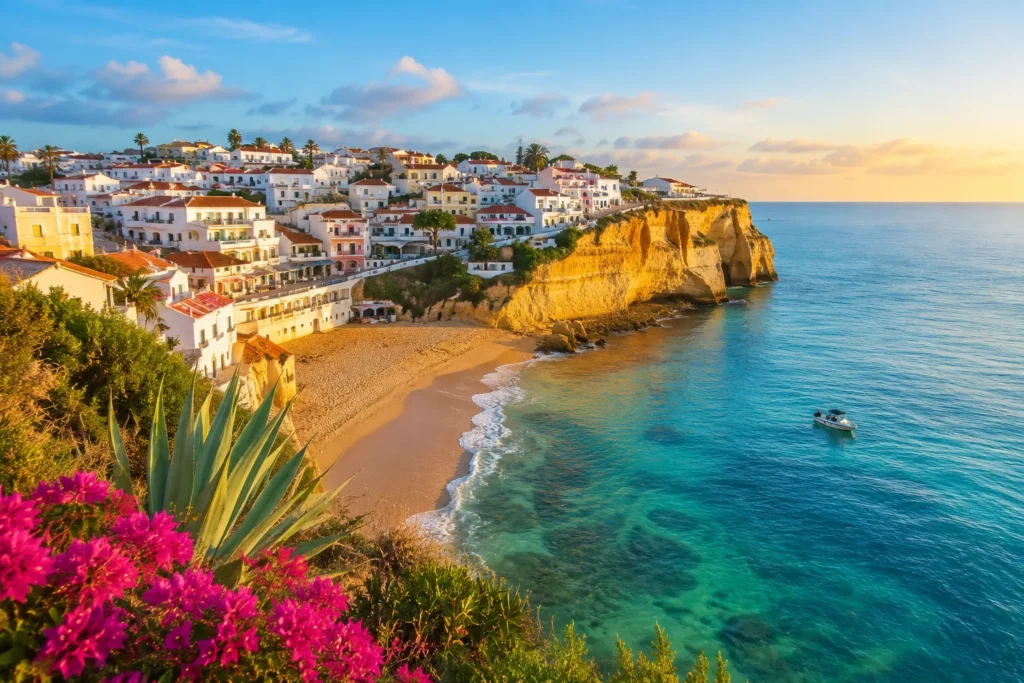
Europe’s summer travel map is getting louder, pricier, and harder to decode, but Algarve budget travel is suddenly looking like the plot twist backpackers actually needed. While big-name Mediterranean hotspots keep flexing luxury beach clubs and inflated room rates, southern Portugal is still holding onto a rare promise: golden coastlines, walkable old towns, cheap eats, dramatic cliffs, and a summer mood that does not demand a trust fund. The Algarve has always had postcard energy, but this season it feels especially relevant because travelers are no longer chasing only beauty; they are chasing value that still feels cinematic. That shift matters for students, solo travelers, remote workers, hostel hoppers, and anyone trying to turn one week of savings into a real European escape. Instead of feeling like a compromise, the Algarve now feels like the smart choice hiding in plain sight.
Why the Algarve Is Winning Summer Travel
The Algarve’s glow-up is not built on one viral beach or one cheap flight deal; it comes from the way the whole region fits the current travel mood. Travelers are tired of paying premium prices for destinations that feel overcrowded by noon and overbooked by sunset. In the Algarve, the experience can still feel spacious if you plan with a little intention, especially when you look beyond the most obvious resort strips. Faro, Lagos, Tavira, Albufeira, Portimão, Sagres, and smaller coastal towns each offer a different version of summer, from party nights to slow mornings and surf-heavy days. That variety gives budget travelers something more valuable than a low price tag: the ability to shape a trip around their own rhythm instead of being pushed into one expensive tourist script.
Part of the Algarve’s appeal is how easy it is to understand once you arrive. You can land in Faro, move by train or bus, choose a hostel in a walkable area, and build your days around beaches, local food, coastal hikes, and cheap public viewpoints. That sounds simple, but simplicity has become a luxury in European summer travel, where some destinations require complicated transfers, timed reservations, and a budget spreadsheet just to survive a long weekend. The Algarve offers enough infrastructure to feel comfortable without losing the loose, sun-faded feeling that makes backpacking addictive. For travelers who want summer without making every decision feel financially intense, that balance is exactly why the region keeps climbing on budget travel lists.
Algarve Budget Travel Feels Timely in 2026
The reason Algarve budget travel feels so current is that summer travelers are recalculating what “worth it” actually means. A few years ago, people were still treating travel like revenge spending, booking big trips because they had missed out for too long. Now the vibe is different, because flights, food, accommodation, insurance, luggage fees, and local transport all add up fast. Travelers still want memories, but they are asking sharper questions before they book: Can I eat well without overspending, can I stay somewhere social without sacrificing comfort, and can I fill my days without paying for attractions every hour? The Algarve answers those questions better than many coastal destinations because its best moments are often outdoors, casual, and relatively low-cost.
This is also why the Algarve works so well for a hostel-focused audience. Hostels are not just beds anymore; they are trip engines, social maps, coworking corners, surf sign-up desks, dinner circles, and unofficial advice hubs. In a region like the Algarve, that matters because the difference between an expensive trip and an affordable one often comes down to local knowledge. A good hostel can point you toward the cheaper beach bus, the local bakery that beats the tourist brunch spot, or the sunset viewpoint that does not need a paid tour. When travelers combine that kind of ground-level intelligence with Portugal’s generally relaxed pace, the whole trip becomes easier to stretch without feeling stripped down.
The Real Budget Advantage Is Daily Spending
Many destinations advertise themselves as affordable, but the real test begins after check-in. A cheap bed does not help much if every coffee, snack, beach chair, taxi, and casual dinner quietly drains your account. The Algarve performs well because daily spending can stay manageable when travelers choose local cafés, simple seafood spots, bakeries, supermarkets, and public beaches. You can still splurge on a boat trip or a special dinner, but the region does not force every good moment behind a paywall. That makes it especially attractive for backpackers who would rather spend slowly across ten days than burn through their budget in one shiny weekend.
Food is one of the biggest reasons the region feels friendly to budget travelers. A traveler who avoids the most tourist-facing waterfront menus can still find satisfying meals built around grilled fish, chicken, rice, potatoes, pastries, coffee, fresh fruit, and casual Portuguese staples. The experience does not have to be fancy to feel memorable, because half the charm comes from eating after a beach walk with salt still in your hair. Markets and supermarkets also make hostel life easier, especially for travelers staying in dorms with shared kitchens. Instead of depending on restaurants for every meal, backpackers can build a flexible routine where breakfast is cheap, lunch is simple, and dinner becomes the one part of the day worth spending a little more on.
Hostels Turn the Algarve Into a Longer Trip
For anyone building a summer itinerary, hostels are where the Algarve’s value starts to multiply. A dorm bed in the right town can place you near beaches, transport, nightlife, coworking cafés, and other travelers who are also trying to make smart choices. That social layer reduces costs in subtle ways because people share taxis, split groceries, join group hikes, trade route tips, and warn each other about overpriced traps. The Algarve is also the kind of region where spontaneous plans work well, so hostel common rooms become low-key planning centers. One conversation can turn into a surf lesson, a day trip to a quieter beach, or a shared dinner that costs less than one solo restaurant meal.
The best hostel strategy is to choose your base based on the trip you want, not just the cheapest bed on the screen. Lagos is a classic choice for backpackers who want cliffs, beaches, boat trips, nightlife, and a strong social scene. Faro works better for travelers who want transport access, a more local city feel, and easier movement around the region. Tavira suits slower travelers who prefer charm, history, and a calmer atmosphere, while Sagres pulls in surfers and people who want edge-of-Europe energy. Albufeira can be fun for travelers who want nightlife, but budget-conscious visitors should compare location carefully because being far from walkable areas can turn cheap accommodation into higher transport costs.
Beach Days Are the Algarve’s Free Luxury
The Algarve’s biggest flex is that many of its most unforgettable moments are free once you get there. The region is stacked with beaches that look expensive even when your day costs almost nothing. Cliffs drop into turquoise water, hidden coves glow in the afternoon sun, and long sandy stretches make it easy to spend hours without needing an activity ticket. For backpackers, that matters because beach destinations often become expensive through rentals, clubs, and paid experiences. In the Algarve, you can keep things simple with a towel, water bottle, supermarket snacks, sunscreen, and a willingness to walk a little farther than the busiest access point.
Praia da Marinha, Praia da Falésia, Praia do Camilo, Praia da Dona Ana, and the beaches around Sagres all carry that “how is this real?” effect travelers chase in summer. However, the smartest budget move is not trying to see every famous beach in one rushed itinerary. Constant movement can add transport costs, stress, and decision fatigue, especially during peak heat and crowded travel windows. A better approach is to pick one or two bases and explore deeply from there, mixing famous views with less-hyped local spots. That way, the trip feels fuller while the budget stays grounded, and you avoid turning a beach escape into a checklist marathon.
Walking Routes Make the Coast Feel Bigger
Another reason the Algarve works for budget travelers is the number of scenic walks that cost nothing but energy and good shoes. Coastal paths around cliff areas can turn an ordinary beach day into a full travel memory, especially when you time the walk for morning or late afternoon. The Seven Hanging Valleys trail is often mentioned for a reason, but smaller walks around Lagos, Carvoeiro, Sagres, and Albufeira can also deliver huge views without huge spending. These routes are not just filler activities; they are part of the region’s identity. They give travelers the feeling of movement, discovery, and reward without requiring a tour bus or a premium experience package.
Still, budget travel should not mean careless travel, especially in a hot coastal region. Summer heat can make midday walking uncomfortable, and cliff paths demand real attention because the views can distract from uneven ground. Smart travelers carry enough water, check routes before leaving, avoid risky cliff edges, and protect themselves from the sun. The cheapest day is not always the safest day if you underestimate the conditions. A good Algarve trip balances spontaneity with basic planning, which is exactly the kind of practical mindset that turns backpacking from chaotic to confidently affordable.
How to Keep an Algarve Trip Affordable
The Algarve can be budget-friendly, but it is not magic. Travelers still need to make intentional choices, especially during the high summer window when demand rises and last-minute bookings can get expensive. The first rule is to book accommodation early if you are traveling in peak months, because the best-value hostel beds disappear quickly. The second rule is to stay close to what you actually plan to do, since cheap rooms outside the action can create hidden transport costs. The third rule is to build your itinerary around clusters, so you are not crossing the region every day just because social media made five different beaches look essential.
- Choose a walkable hostel base instead of chasing the absolute cheapest bed.
- Use trains and buses when routes are practical, especially between major towns.
- Mix supermarket meals with local restaurants instead of eating out every time.
- Plan beach and walking days early or late to avoid peak heat and crowds.
- Save paid tours for one standout experience rather than booking something daily.
That kind of planning does not make the trip boring; it makes the fun last longer. Budget travel is often misunderstood as saying no to everything, but the better version is knowing what deserves your money. In the Algarve, that might mean skipping overpriced cocktails so you can take a boat tour through sea caves, or cooking a hostel dinner so you can spend more on a surf lesson. It could also mean staying an extra two nights because you stopped treating every meal like a restaurant event. For readers of budget travel guides, the Algarve is a useful reminder that affordability is not one decision; it is a chain of small choices that protect the whole trip.
The Backpacker Mood Is Changing
The Algarve’s rise as a budget summer favorite also says something bigger about backpacking culture right now. Travelers are not just looking for the cheapest place on the map; they are looking for destinations that feel emotionally worth the effort. They want places where they can meet people without forcing it, rest without feeling isolated, and explore without turning every day into a financial calculation. The old backpacker fantasy was sometimes about roughing it as cheaply as possible, but the newer version is more balanced. It is about comfort, connection, flexibility, and value that does not flatten the experience into basic survival.
This is where the Algarve fits naturally. A traveler can sleep in a dorm, wake up for a cheap coffee, walk through a whitewashed old town, spend the afternoon at a beach framed by cliffs, cook dinner with people they met that morning, and still feel like the day had texture. That kind of travel does not depend on luxury, but it also does not feel like deprivation. It feels like freedom with a plan, which is exactly what many young travelers want after years of rising costs and crowded feeds selling the same expensive dream. The Algarve gives them a version of Europe that feels warm, social, photogenic, and still within reach.
Solo Travelers Get Extra Value Here
Solo travelers may benefit the most from the Algarve’s current budget appeal. Traveling alone can be expensive because you do not automatically split rooms, taxis, meals, or supplies with someone else. Hostels solve part of that problem by turning accommodation into a social entry point, and the Algarve’s layout makes casual group plans easy to form. People meet over breakfast, decide on a beach, compare bus routes, and suddenly the solo trip has a community without losing independence. That is the sweet spot many solo travelers are chasing, because they want connection without being locked into someone else’s itinerary.
The region also feels manageable for first-time solo backpackers. English is commonly understood in tourist areas, transport between major towns is not impossible to navigate, and there are enough travelers around that arriving alone does not feel strange. At the same time, the Algarve is not one giant party zone unless you deliberately choose that version of it. A traveler can go social in Lagos, slow in Tavira, practical in Faro, or surf-focused in Sagres. That range makes it easier to build confidence, and confidence is one of the most underrated parts of successful budget travel.
Summer Heat Changes the Way People Travel
No serious summer travel story in southern Europe can ignore heat anymore. Travelers are becoming more aware that beautiful weather and extreme heat are not the same thing, especially when trips involve walking, public transport, shared rooms, and long beach days. The Algarve remains popular because it offers the classic sun-and-sea promise, but smart travelers are adjusting how they move through the day. Early mornings, shaded lunches, late-afternoon beach sessions, and slower itineraries are becoming more practical than trying to force nonstop sightseeing from sunrise to sunset. This does not make the Algarve less appealing; it simply changes the strategy for enjoying it well.
Hostels can play a helpful role in that adjustment. Good common spaces give travelers somewhere to pause during the hottest part of the day, while local staff often know which beaches are more exposed, which buses get crowded, and which routes are better saved for cooler hours. Airflow, lockers, kitchen access, laundry options, and shaded social areas suddenly matter more than glossy photos. Budget travelers should read reviews carefully, because the cheapest place is not always the best value if it leaves you exhausted and uncomfortable. In a hotter summer travel landscape, comfort becomes part of the budget equation, not a luxury extra.
Where the Algarve Beats Pricier Beach Escapes
The Algarve competes well against pricier beach destinations because it does not rely on one type of traveler. Some places are built almost entirely around luxury hotels, nightlife spending, or resort packages, which can make backpackers feel like outsiders looking through the window. The Algarve has resort zones too, but it also has old towns, public beaches, independent hostels, casual food spots, surf culture, train links, and plenty of free scenery. That mix gives different budgets room to exist side by side. A traveler can spend very little one day and choose a memorable paid experience the next without feeling pushed out of the destination’s core identity.
The region also benefits from being familiar but not flat. Portugal is already a favorite for travelers who want Europe with warmth, culture, coastlines, and relatively accessible prices, but the Algarve adds a specific summer fantasy to that reputation. It has the cliffs people imagine when they think of dramatic coastlines, the old-town charm people want from a European trip, and the relaxed beach rhythm people crave when their daily lives feel overloaded. At the same time, it is not only a place to lie still. You can hike, surf, kayak, island-hop near Faro, visit markets, explore historic streets, and join hostel-led nights out, which keeps the trip dynamic without making it expensive every hour.
The Smartest Algarve Bases for Budget Travelers
Choosing the right base is the decision that shapes the whole Algarve trip. Faro is underrated for budget travelers because it is practical, connected, and more local-feeling than some resort towns. It works especially well for arrivals, departures, island day trips, and travelers who want a city base before moving west. Lagos is more famous among backpackers, and for good reason, because it combines dramatic beaches, nightlife, boat trips, restaurants, and a strong hostel scene. However, Lagos can also get busy, so travelers should book early and avoid assuming that every dorm bed will stay cheap during peak summer.
Tavira is a strong choice for travelers who want a softer pace and a more atmospheric stay. It does not scream backpacker party hub, but that can be the point for people who want calm evenings, pretty streets, and access to beaches without constant nightlife pressure. Sagres, meanwhile, feels different from the rest of the coast because it has a windier, wilder, surf-oriented personality. It is ideal for travelers who want fewer polished resort vibes and more edge-of-the-map energy. Albufeira can still work for budget travelers who want entertainment and nightlife, but it rewards careful planning because the wrong location can make the trip feel more expensive and less personal.
Why Moving Slowly Saves Money
One of the easiest ways to ruin an affordable Algarve trip is trying to see too much too quickly. Every town looks close on a map until you start adding station walks, bus waits, luggage, check-in times, and summer crowds. Slow travel protects your budget because it reduces transfer costs, lowers stress, and gives you time to discover cheap local routines. Staying three or four nights in one base can be better than changing towns every day just to collect more names. It also makes hostel life more rewarding, because the best connections often happen after people have seen your face around the kitchen more than once.
This slower style also helps travelers make better spending decisions. When you are rushed, you buy convenience: taxis, overpriced snacks, random tours, and meals at the nearest visible restaurant. When you have time, you learn the town’s rhythm and start noticing cheaper patterns. You find the bakery locals use, the supermarket with better picnic supplies, the beach route that does not need a ride-share, and the happy hour that is actually good value. That is why slow travel is not only a vibe; in the Algarve, it is one of the most reliable budget strategies.
What This Means for Hostel Travel
The Algarve’s budget travel momentum is good news for hostels, but it also raises expectations. Travelers are becoming more careful, and they are reading between the lines of hostel listings instead of booking only by price. They want clean dorms, secure storage, useful kitchens, social events that do not feel forced, and staff who understand practical local movement. They also want transparency, because nobody enjoys discovering surprise fees or awkward transport gaps after arrival. Hostels that can deliver practical value, not just cheap beds, are likely to stand out as more travelers choose the Algarve for affordable summer escapes.
For travelers, the lesson is to treat the hostel as part of the destination, not just a place to sleep. A well-located hostel can reduce transport costs, improve safety, create friendships, and help you access experiences you would not find alone. A poorly chosen hostel can do the opposite, even if the nightly rate looks tempting at first. The best value usually sits somewhere between the cheapest listing and the most polished boutique option. For deeper planning, a practical hostel guide can help travelers compare location, atmosphere, facilities, and total trip cost instead of making the decision on price alone.
Conclusion: Algarve Budget Travel Has Real Staying Power
The Algarve is not suddenly affordable because it is unknown, and it is not perfect because no summer destination is. Its strength is more realistic than that: it offers a rare combination of beauty, infrastructure, hostel culture, free outdoor experiences, flexible towns, and daily costs that can still be managed with smart choices. That makes Algarve budget travel feel less like a temporary deal and more like a durable answer to the way people want to move through Europe right now. Travelers want beaches without financial panic, social energy without forced luxury, and a summer story that feels big even when the budget is modest. The Algarve delivers that story with cliffs, coastlines, cheap coffee, shared kitchens, late sunsets, and the quiet satisfaction of realizing the smartest trip might also be the most beautiful one.